Spa hotels in Italy
38 destinations
Italy treats bathing as a birthright. Two thousand years after the Romans built their thermae, the country still turns hot water into ritual, in alpine retreats and on volcanic islands alike. A spa break here is rarely only about the spa. It comes wrapped in long lunches and unhurried evening strolls, set against scenery that shifts every few hours of driving. Choose your region first, and the rest of the trip falls into place around it.
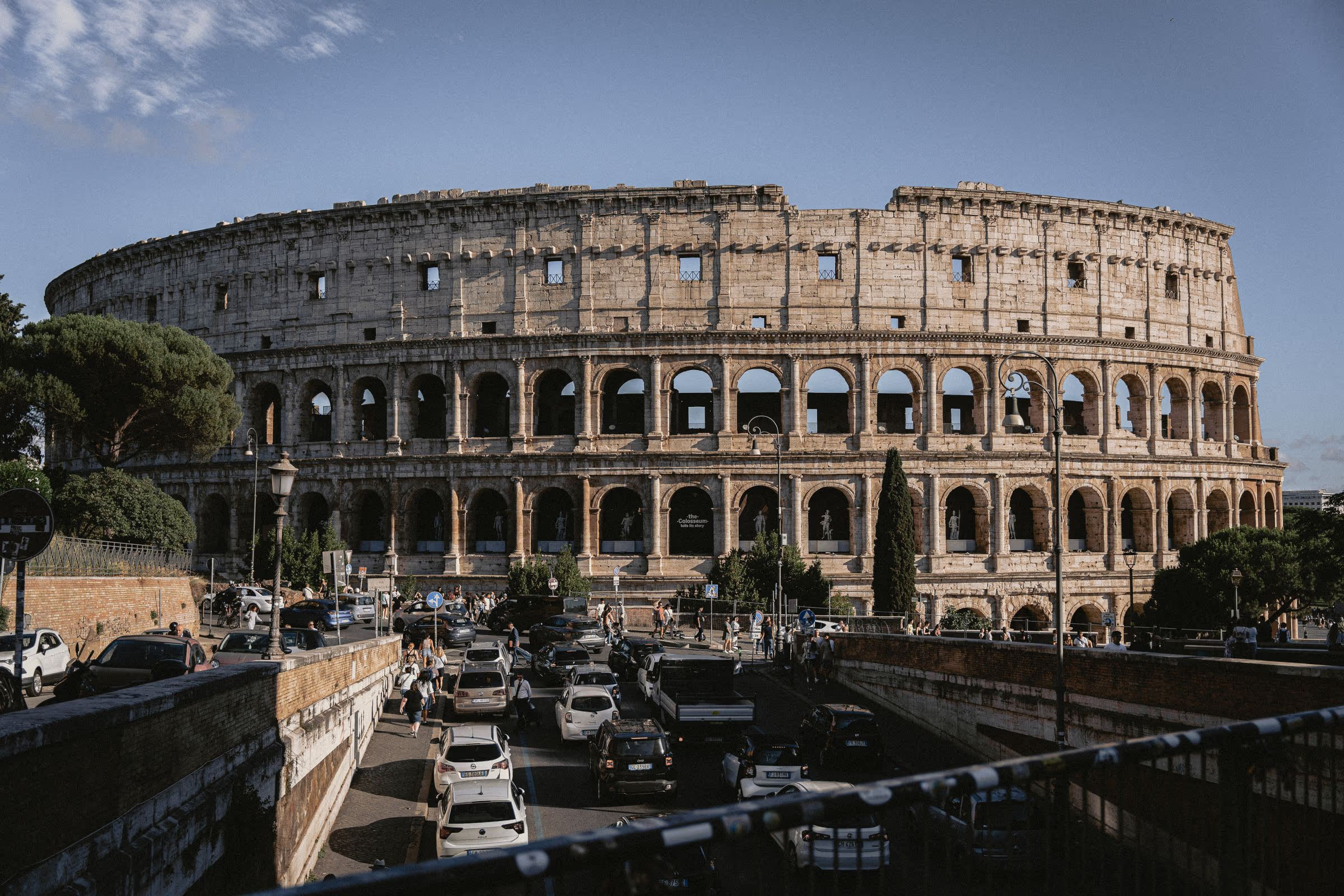
Rome
2 hotels
The Romans practically invented the spa, and the city's bathing culture predates almost everywhere else on this list.
Learn more
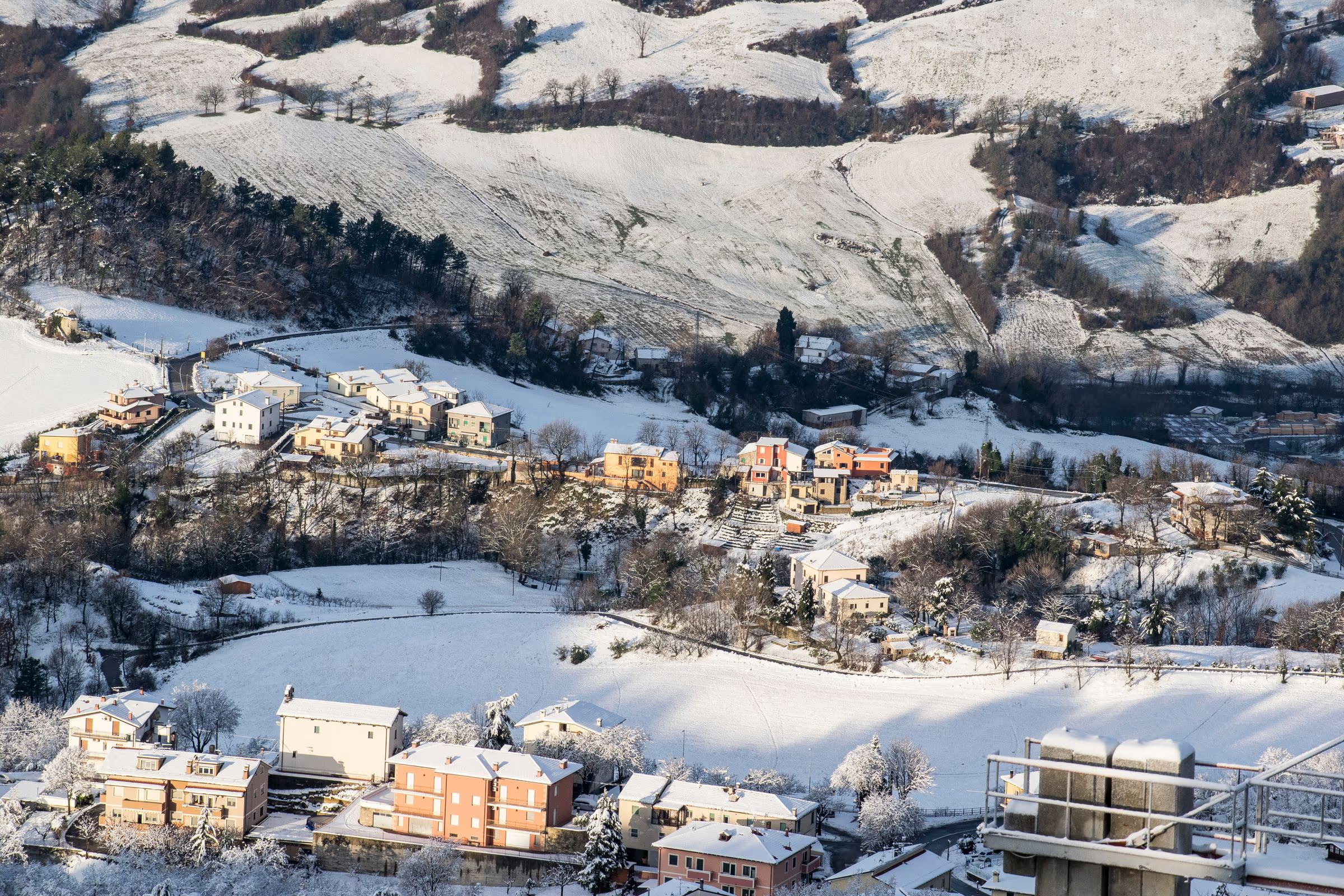
San Cassiano
2 hotels
The village links into the vast Dolomiti Superski circuit and counts celebrated mountain restaurants among its draws, all below pale rock walls.
Learn more
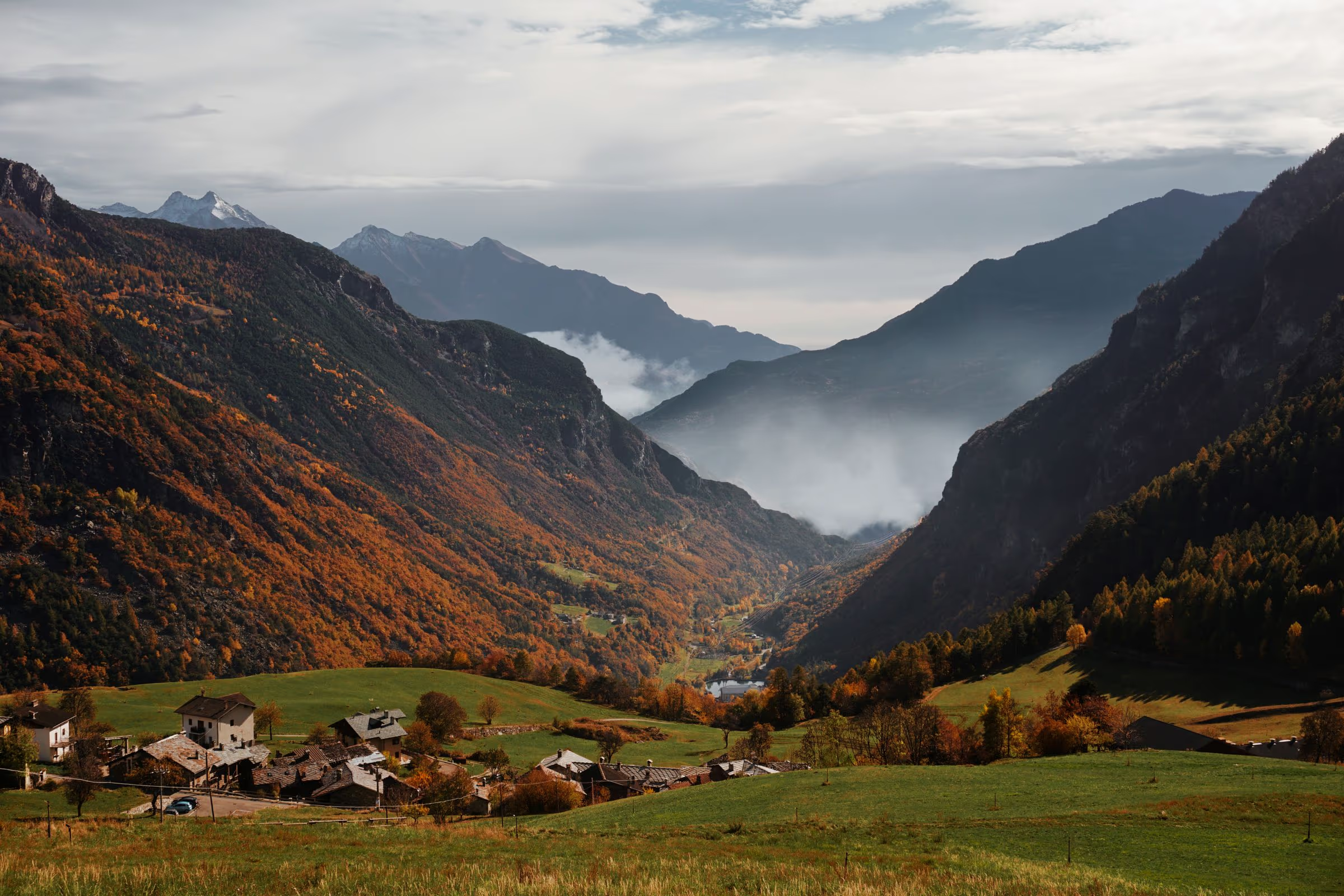
Valle Aurina
2 hotels
South Tyrol's Ahrntal keeps traditional villages below glaciers and waterfalls, with skiing, high trails, and a mining past.
Learn more
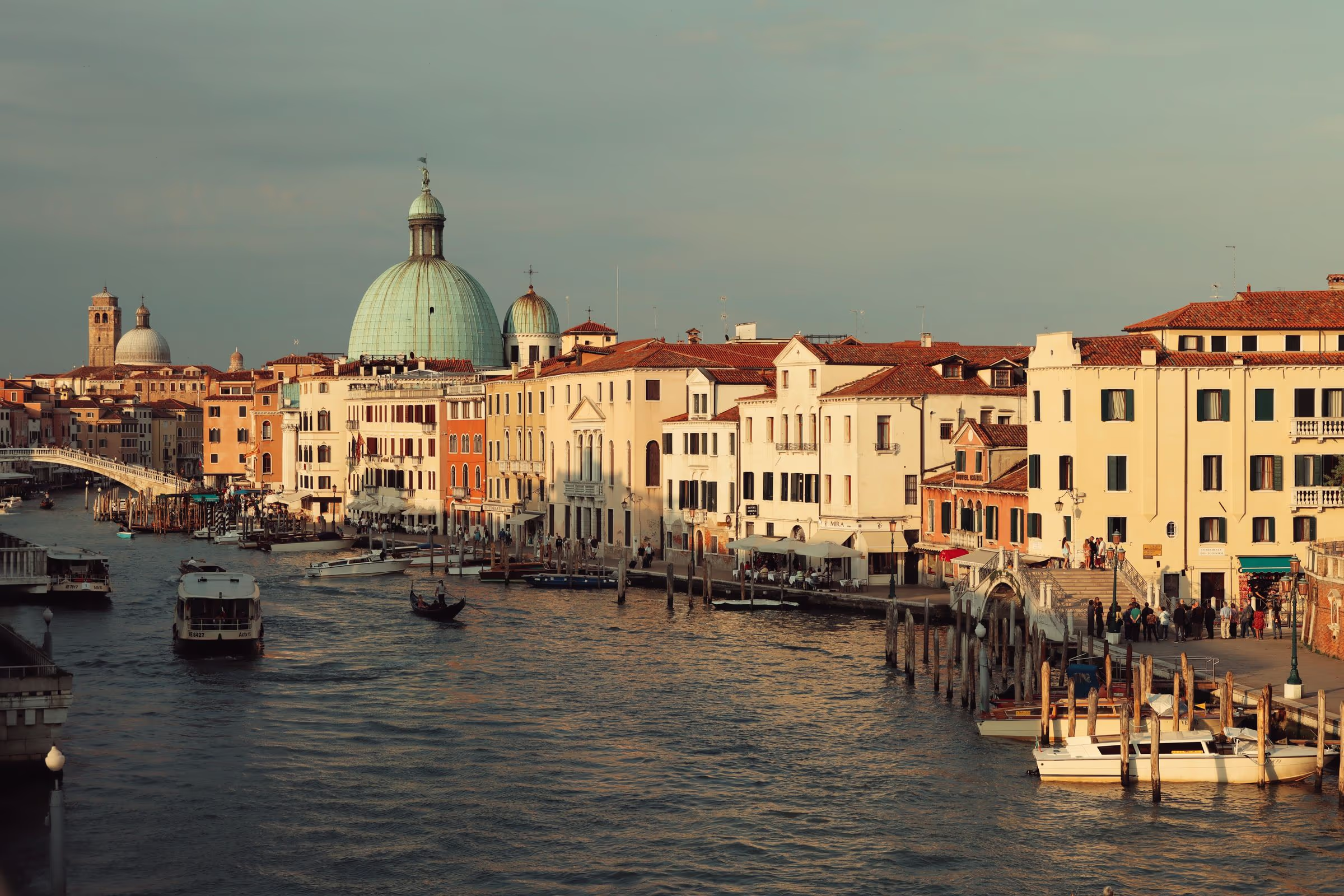
Venice
2 hotels
The city threads across a hundred islands in a lagoon, its palazzi rising straight from the canals, its quiet broken only by footsteps and boat engines.
Learn more
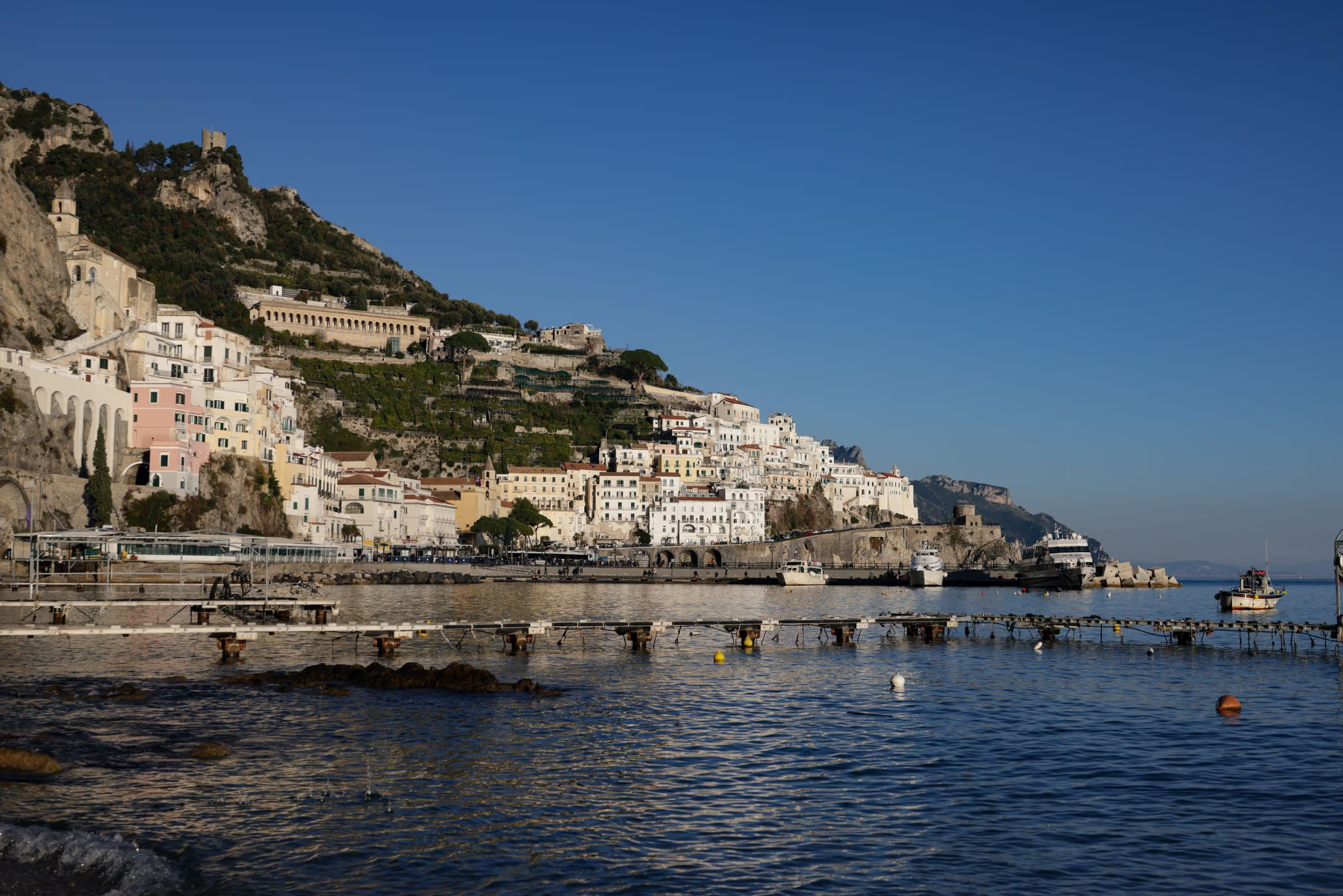
Amalfi
1 hotel
Once a powerful maritime republic, it tumbles down to a small harbour beneath a striped Arab-Norman cathedral, lemon terraces stacked on the slopes above.
Learn more
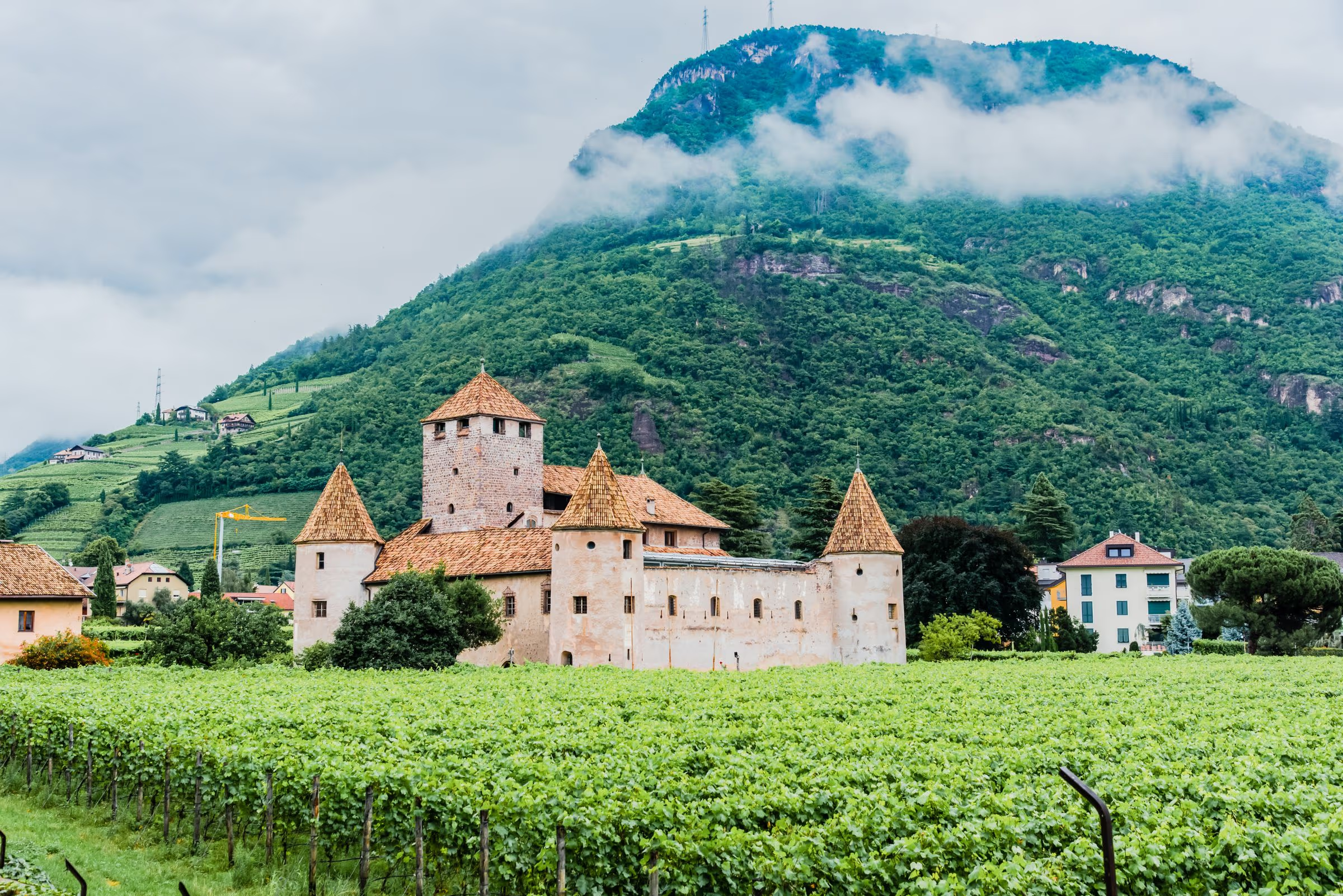
Bolzano
1 hotel
South Tyrol's capital pairs apple orchards and vineyards with arcaded medieval lanes, and its museum holds Ötzi, the five-thousand-year-old iceman.
Learn more
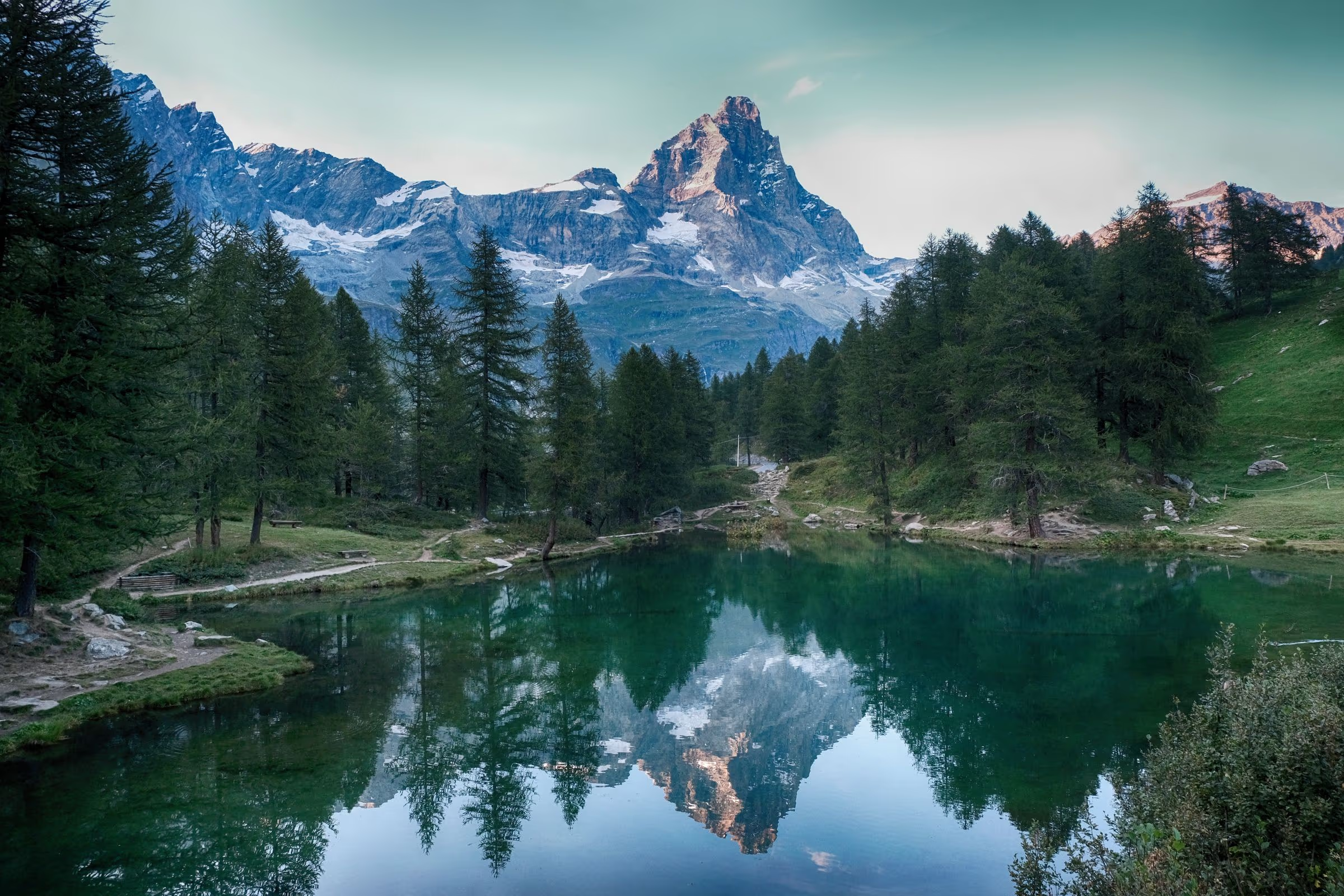
Breuil-Cervinia
1 hotel
The high resort sits at the head of the Valtournenche, linked over the ridge to Zermatt, with some of the longest runs and most reliable snow in the Alps.
Learn more
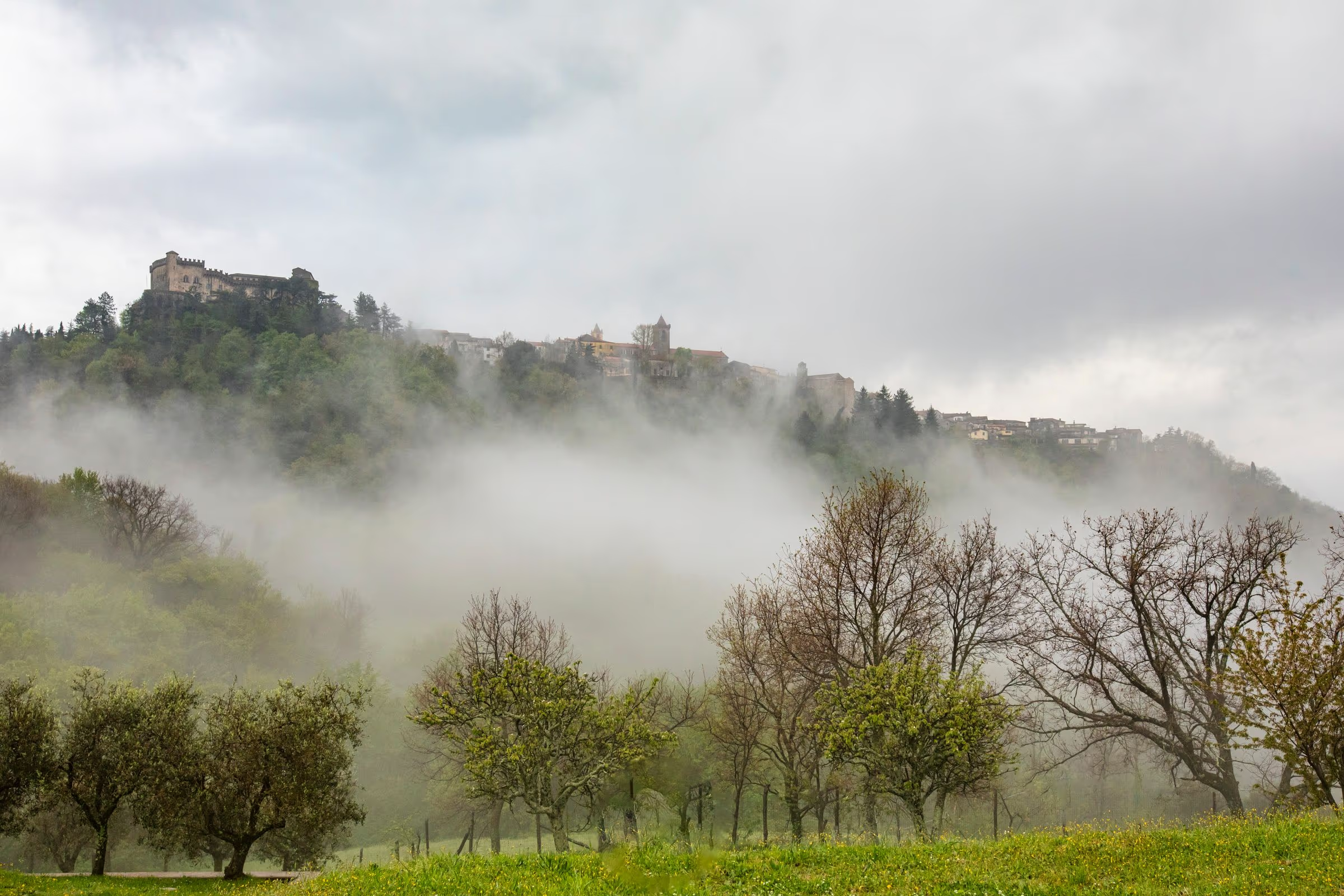
Buggiano Castello, Pistoia
1 hotel
Medieval lanes, an old castle, and citrus gardens fill the walls, with the thermal town of Montecatini and the vineyards of Chianti close by.
Learn more
Calvagese della Riviera
1 hotel
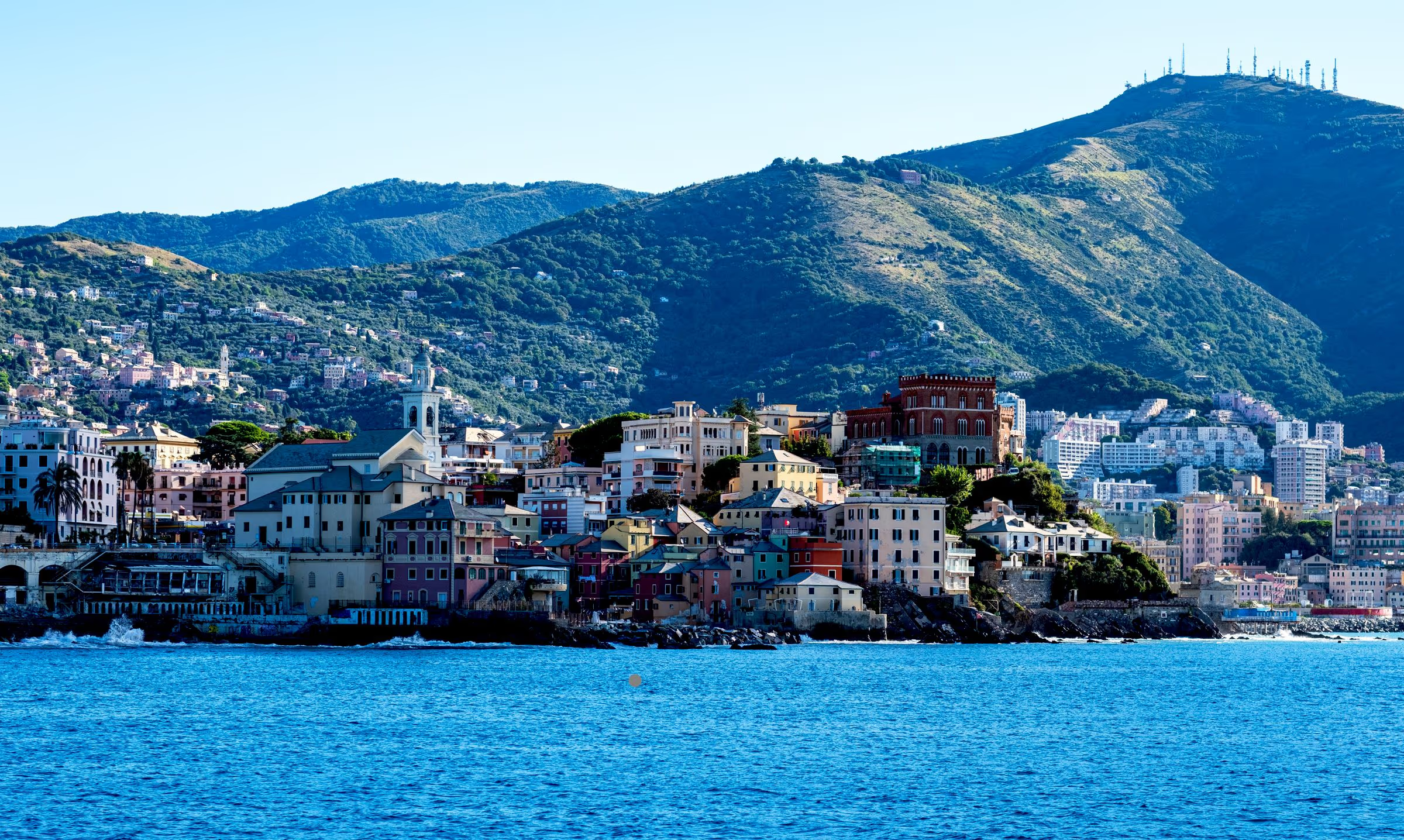
The small Lombard town keeps vineyards, olive groves, and an art museum among its quiet lanes, with the lake and the wine country of Valtènesi a short drive away.
Learn more
Capo Vaticano
1 hotel
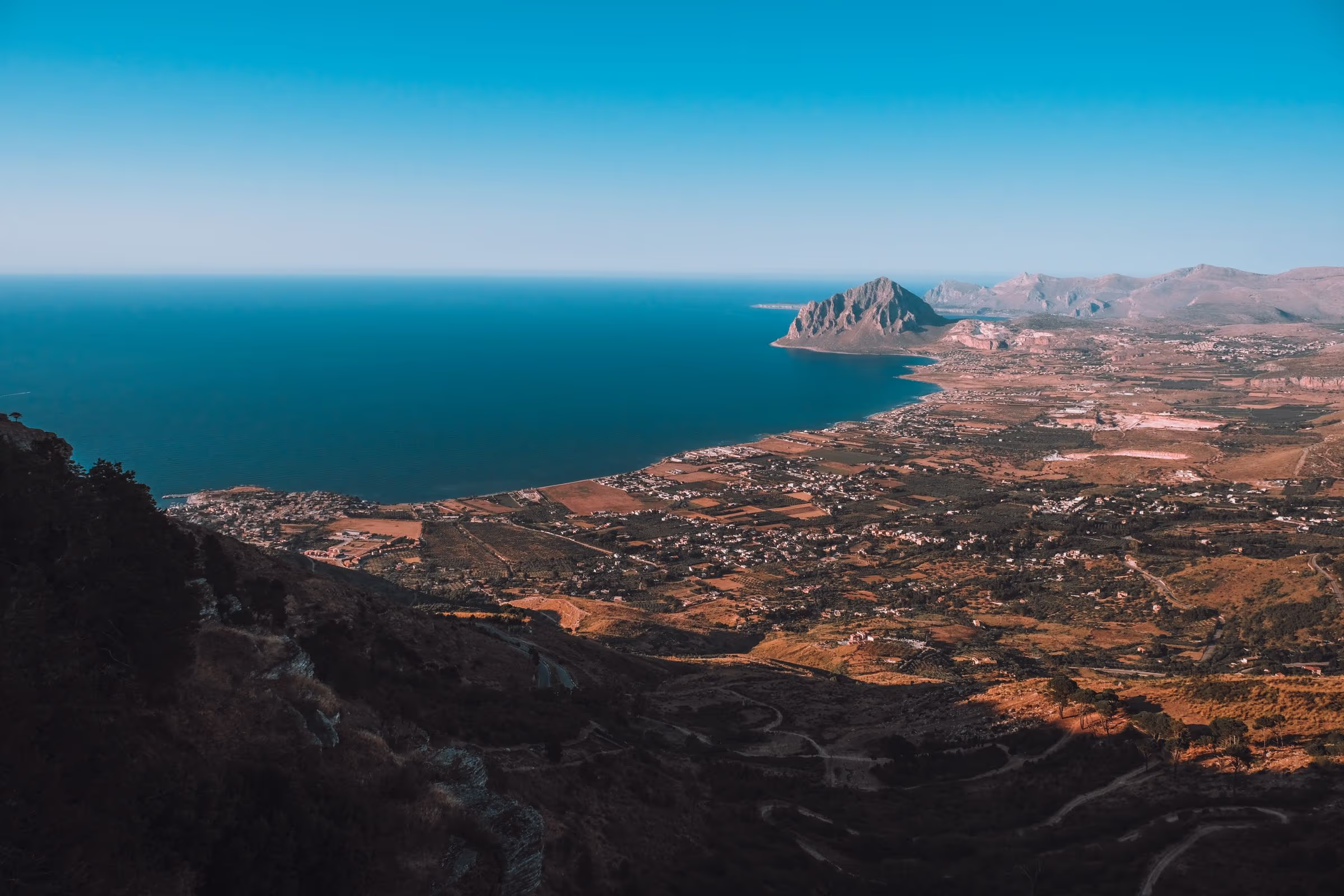
White sand and clear water sit below granite cliffs, with the cone of Stromboli visible offshore on a clear evening.
Learn more
Chiesa in Valmalenco
1 hotel
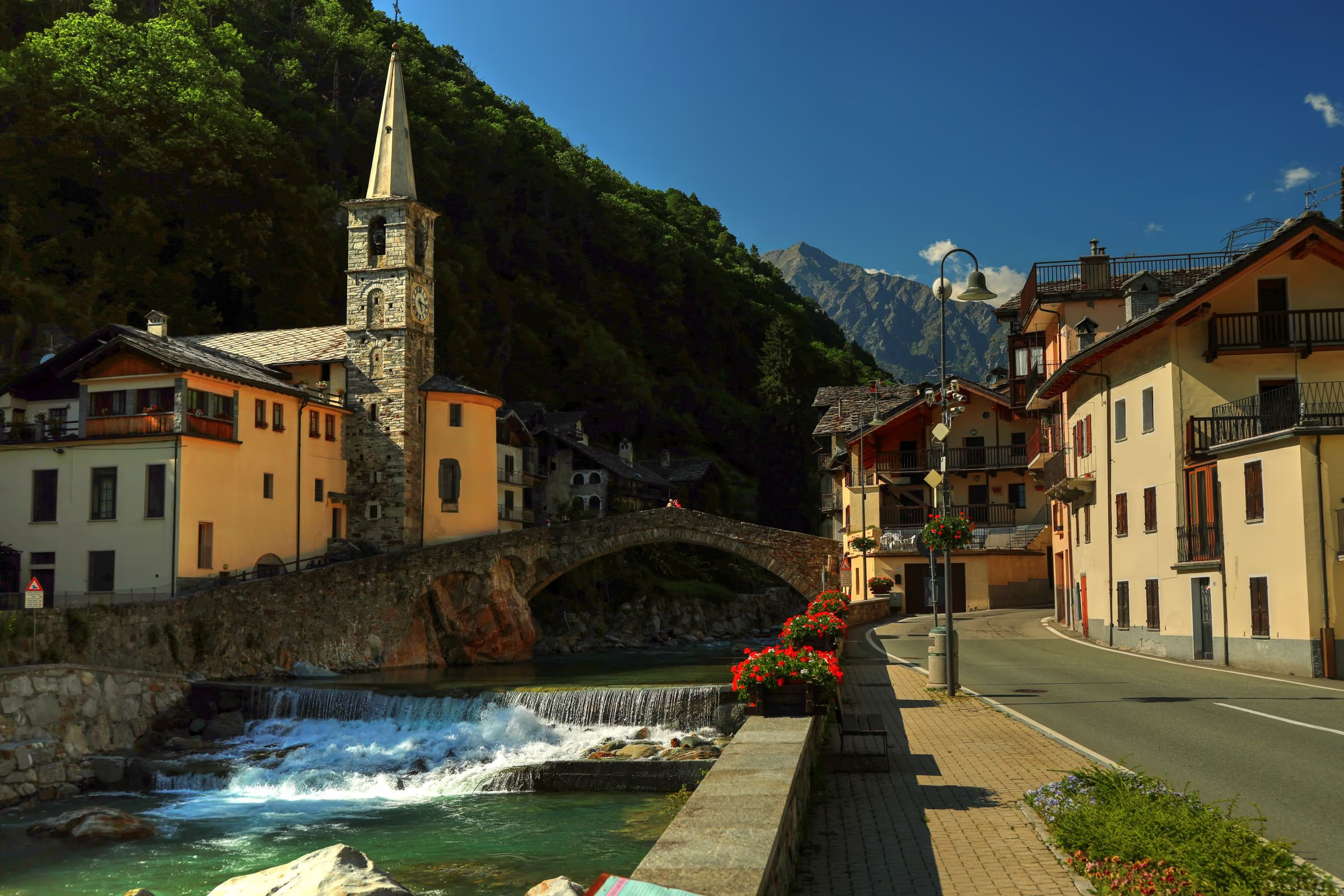
The village is a base for skiing, climbing, and the mineral springs the valley is known for, with quarries that yield the local green serpentine stone.
Learn more
Fai della Paganella
1 hotel
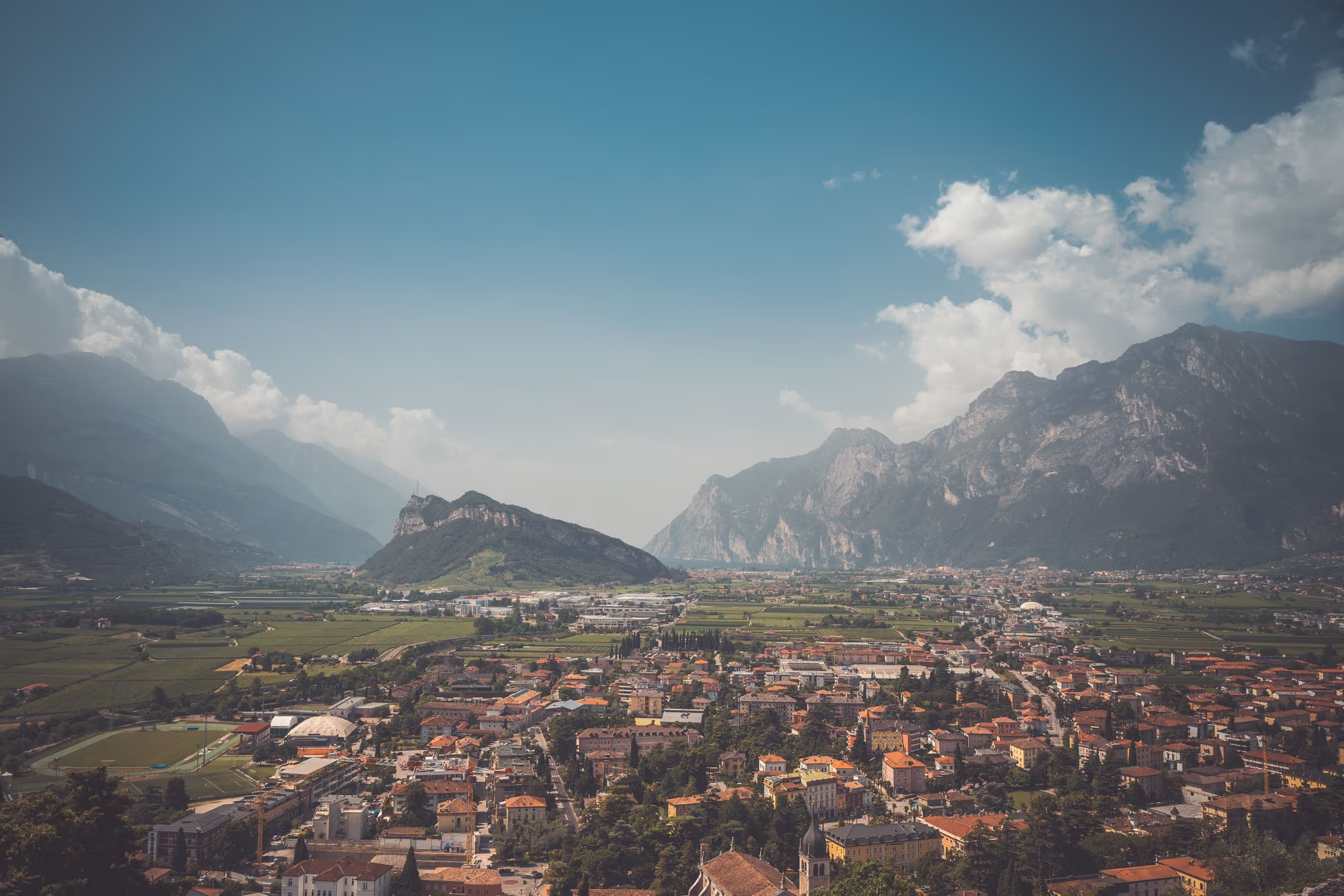
The village pairs skiing on the Paganella with summer trails and a famous canyon nearby, all under big mountain skies.
Learn more
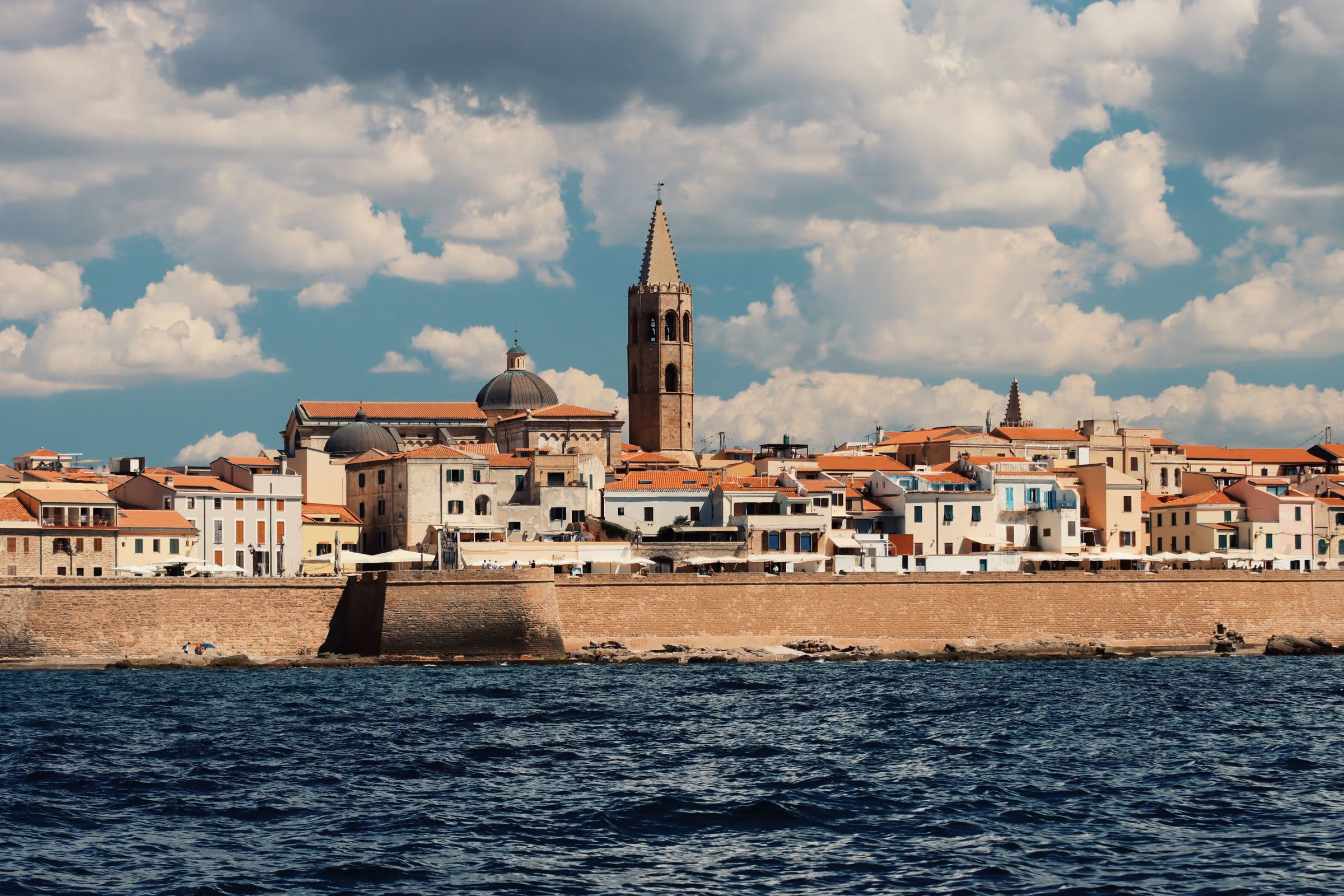
Follonica
1 hotel
The town faces the island of Elba across the water, with the wild Maremma countryside and Etruscan sites just inland.
Learn more
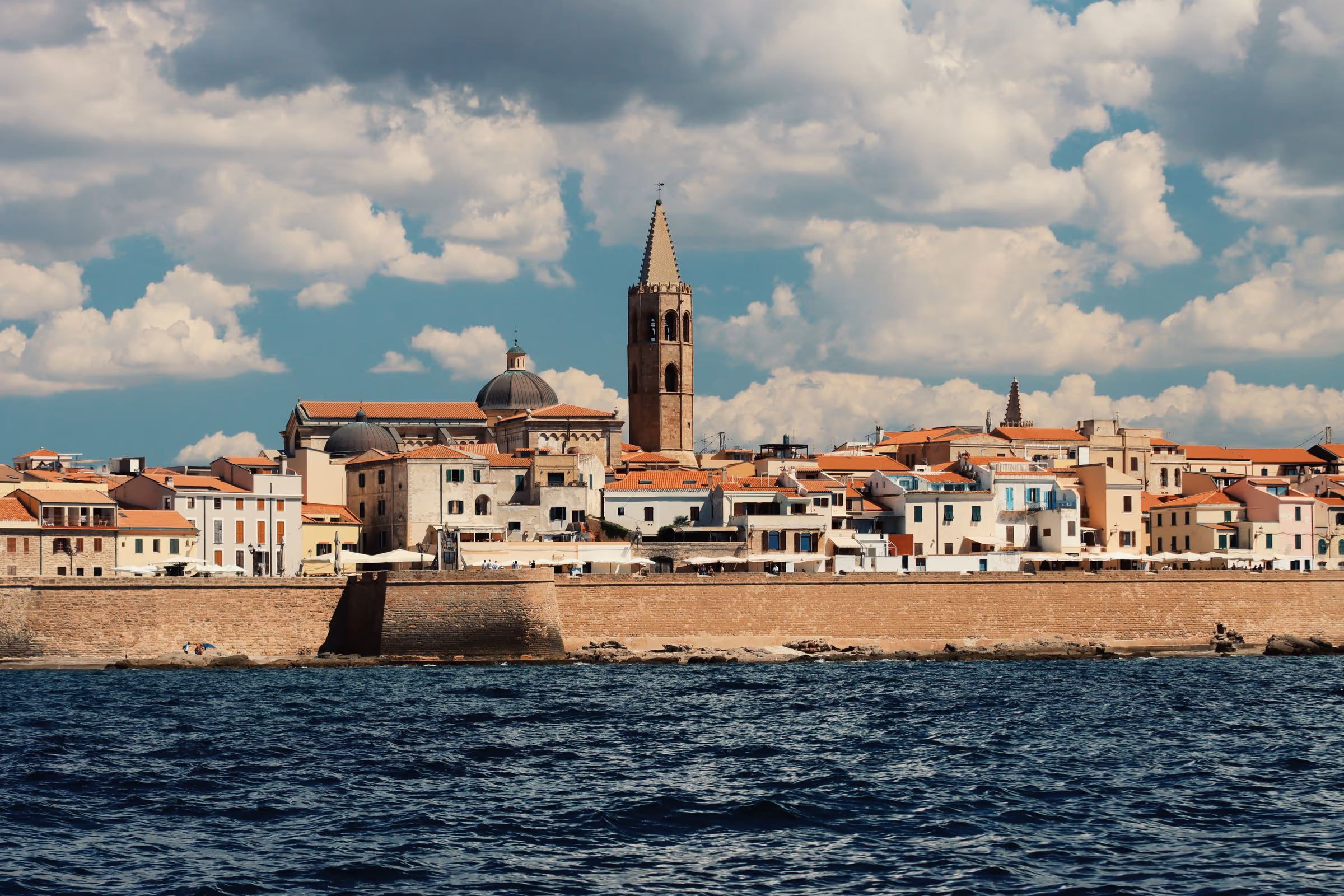
La Maddalena
1 hotel
The main town sits on the largest island, a former naval base turned sailing haven, with pink-sand beaches and protected coves all around.
Learn more
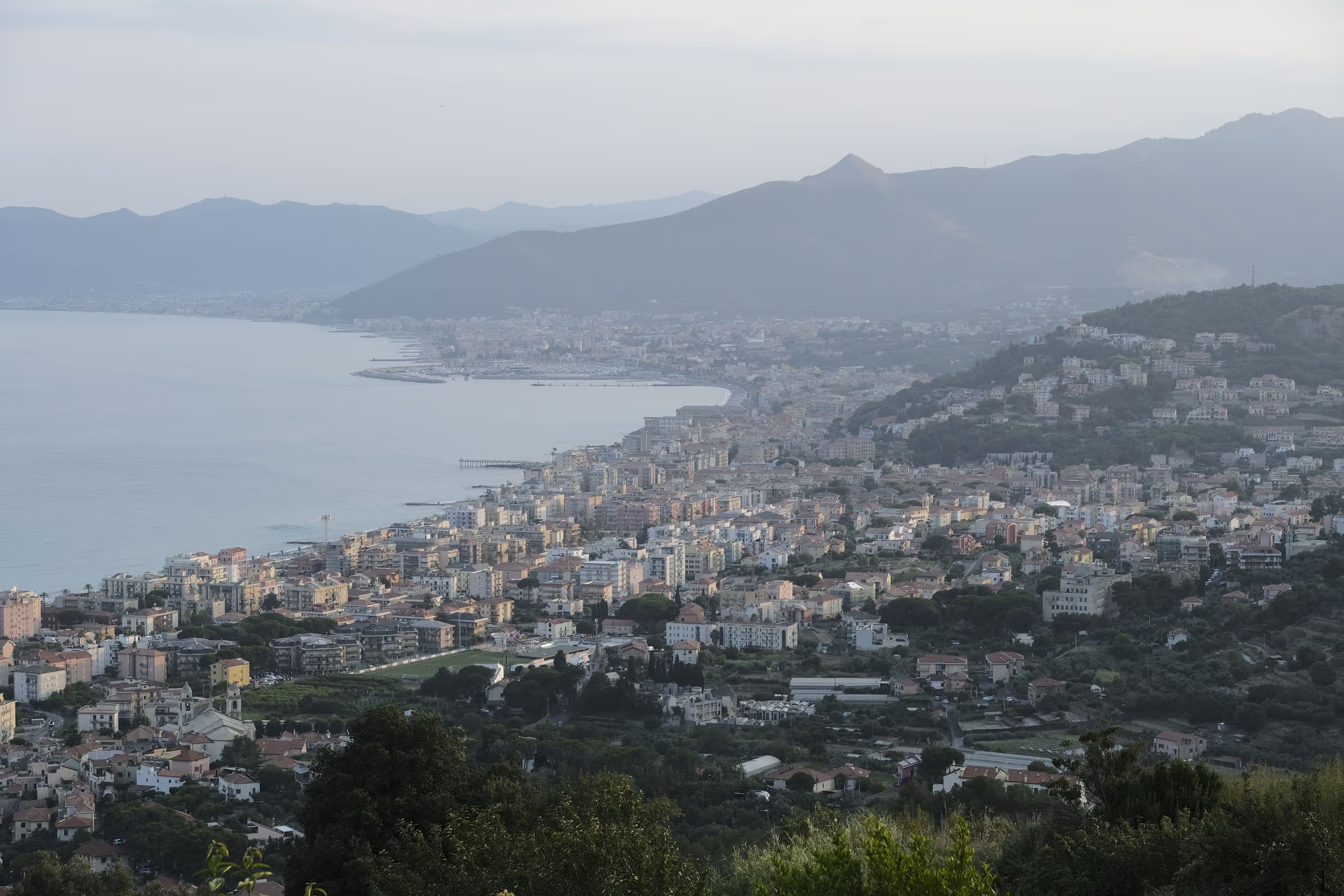
Lavagna
1 hotel
Next door to grander Chiavari, it offers a long sandy seafront, a marina, and easy reach to the cliffs of the Cinque Terre and Portofino.
Learn more
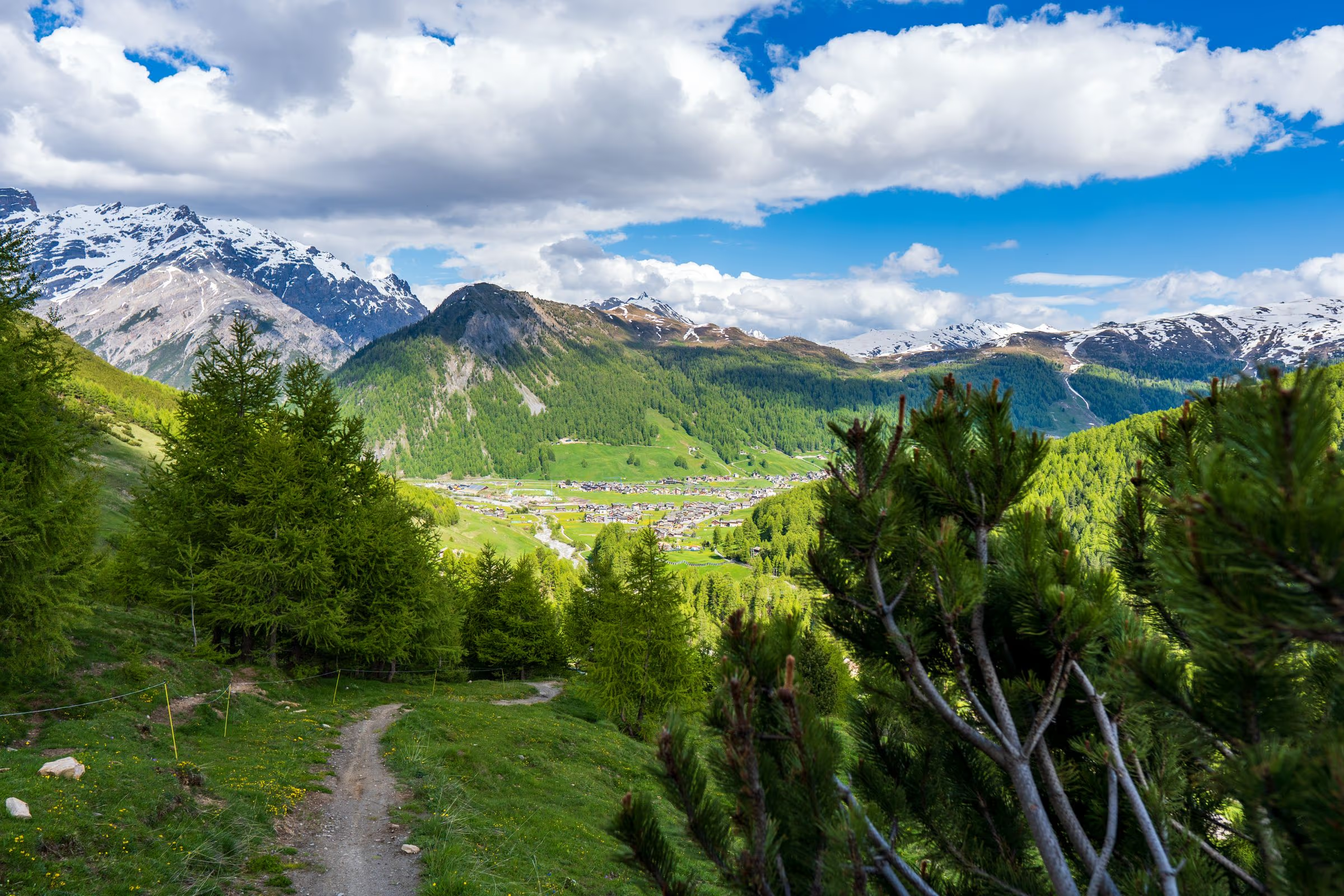
Livigno
1 hotel
The snow-sure resort sits above 1,800 metres, with cheap fuel, cheaper shopping, and a sprawl of pistes that draws skiers all season.
Learn more
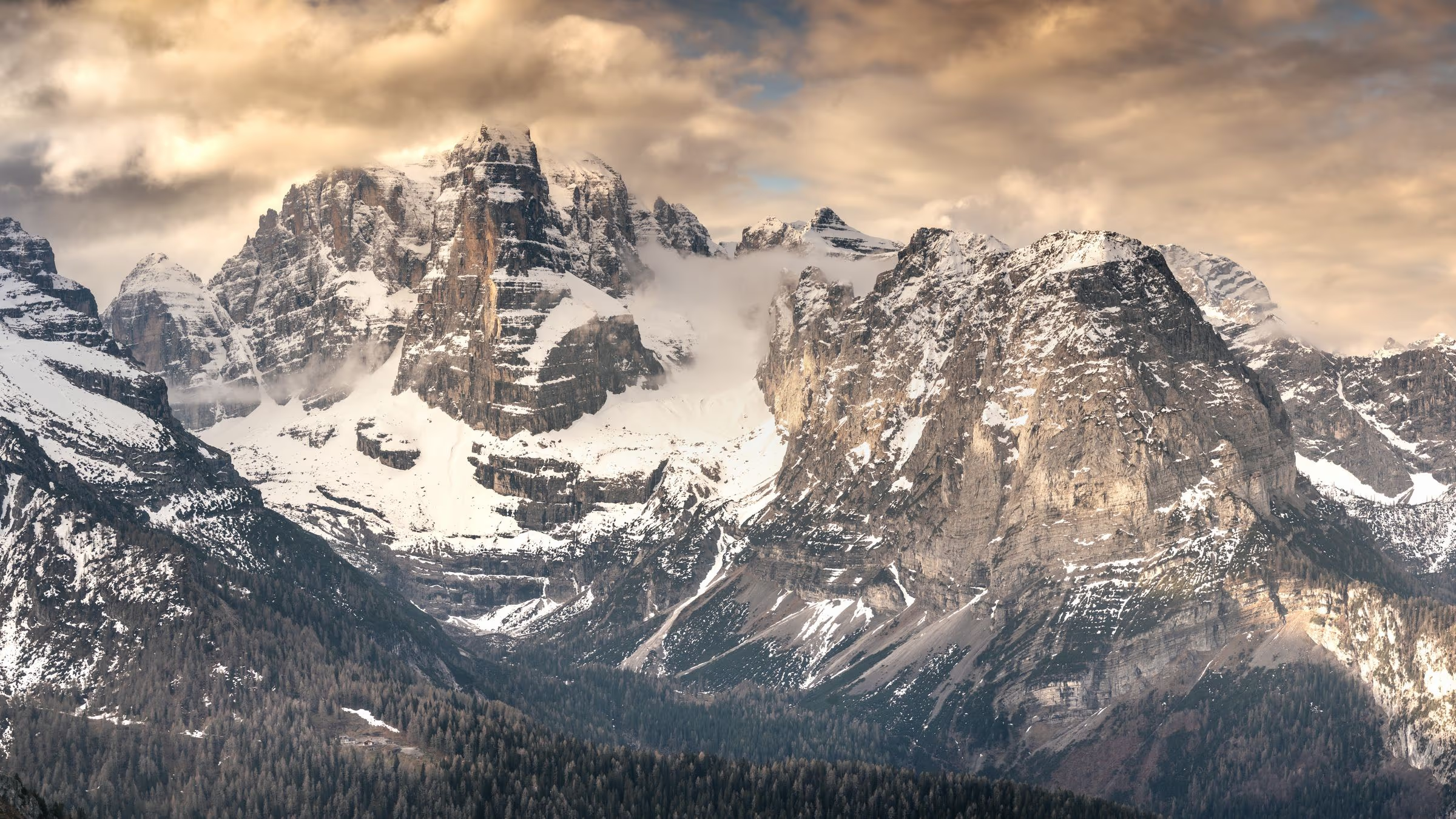
Madonna di Campiglio
1 hotel
Set among forests below the pale rock towers, it has drawn Italian high society to its slopes since the days of Empress Sissi.
Learn more
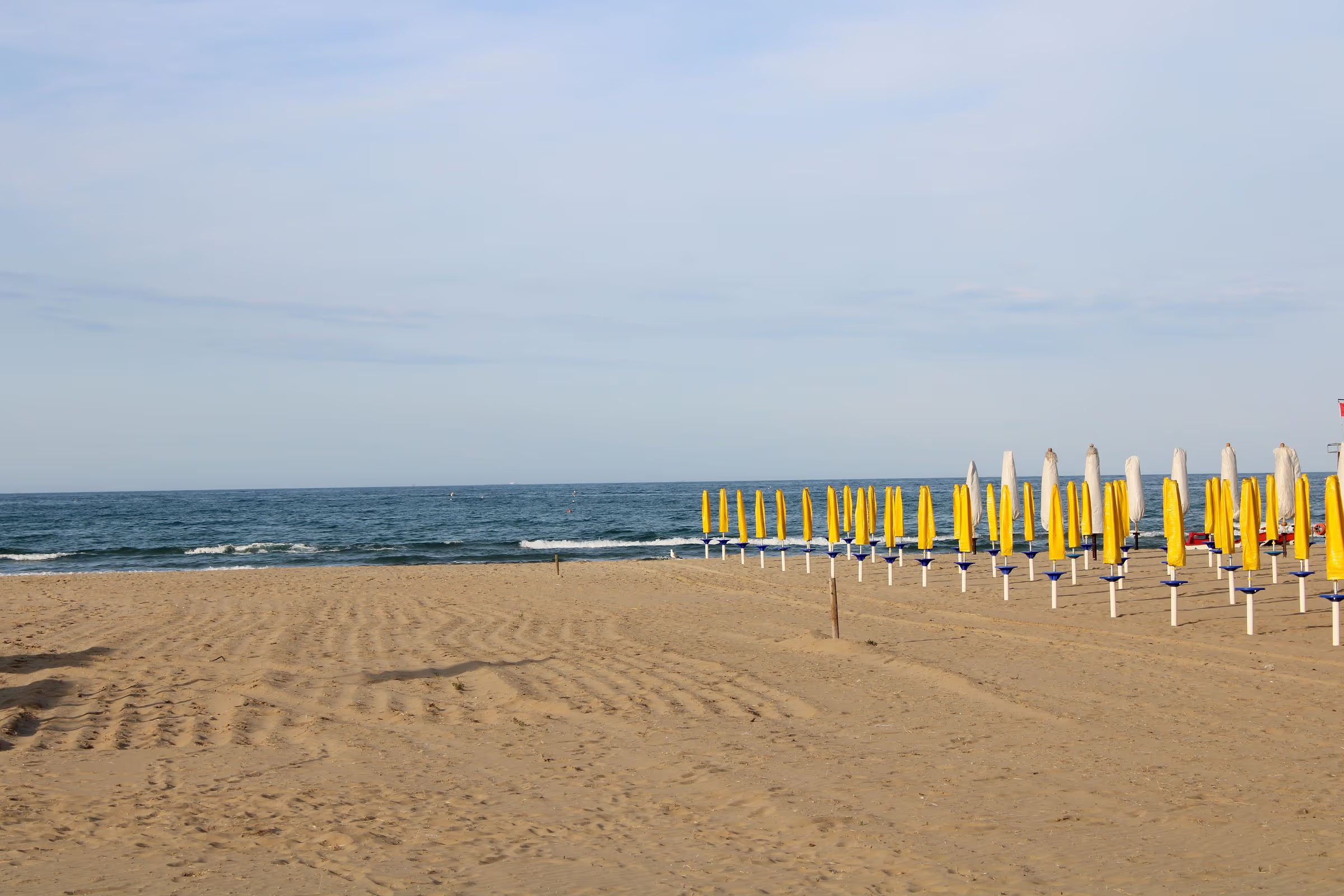
Marina di Bibbona
1 hotel
The resort sits on the Etruscan Coast, with clean water, a nature reserve, and the wine country of Bolgheri and its famous Super Tuscans just inland.
Learn more
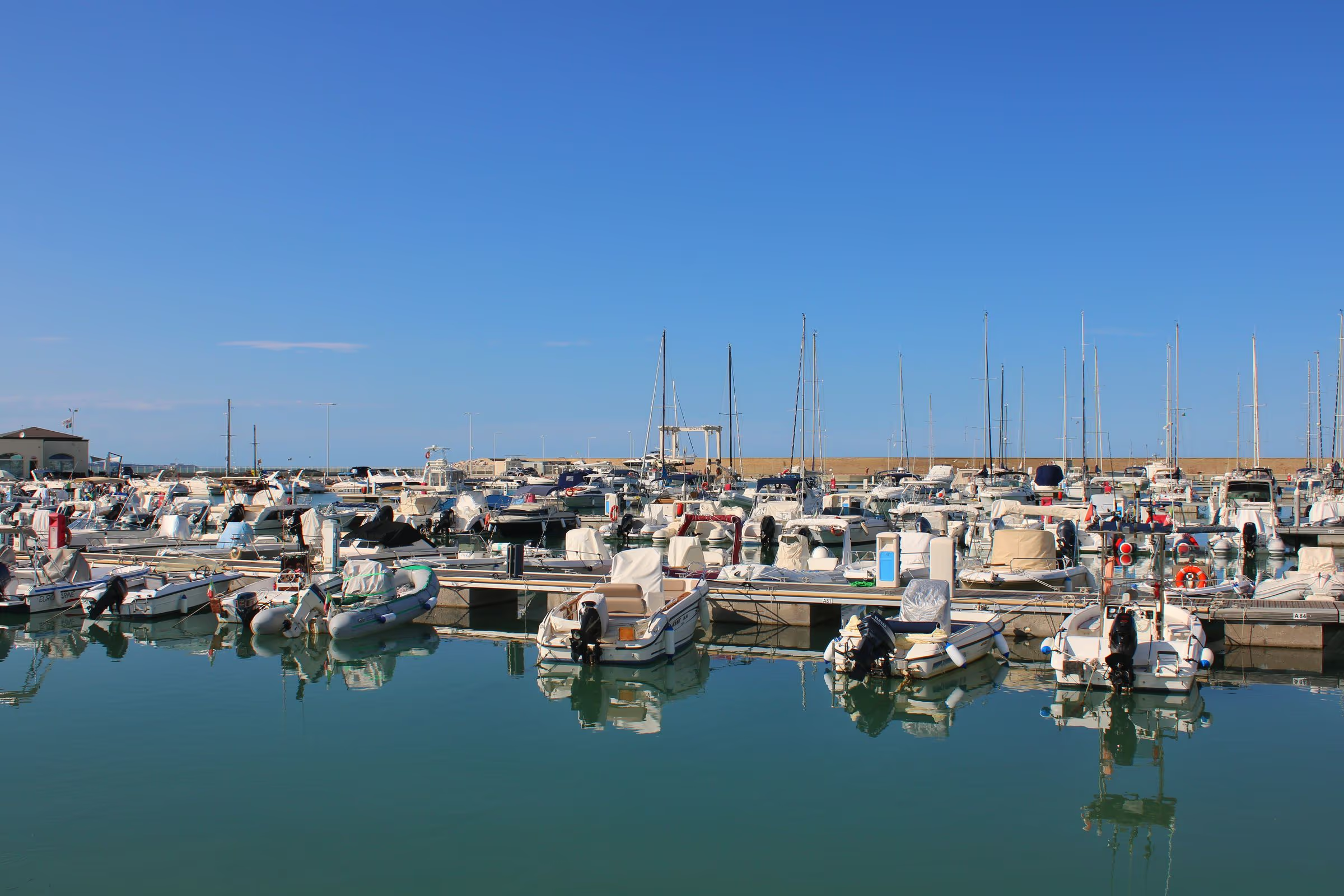
Marina di Castagneto Carducci
1 hotel
The seafront sits just below Bolgheri, whose cypress-lined avenue and celebrated wines draw visitors inland.
Learn more
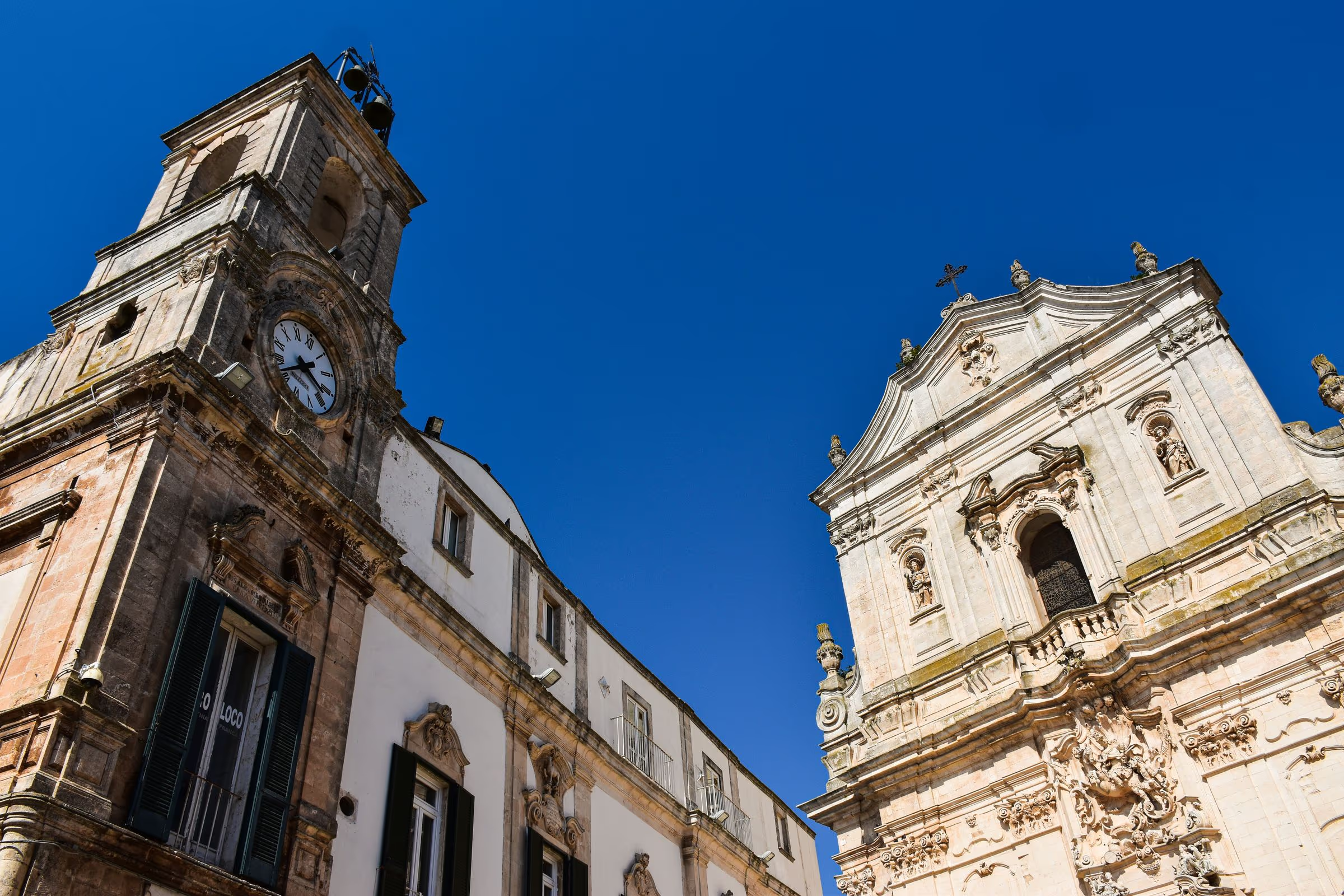
Martina Franca
1 hotel
Whitewashed lanes wind up to ornate churches and balconied palazzi, surrounded by the conical trulli houses that dot the countryside.
Learn more
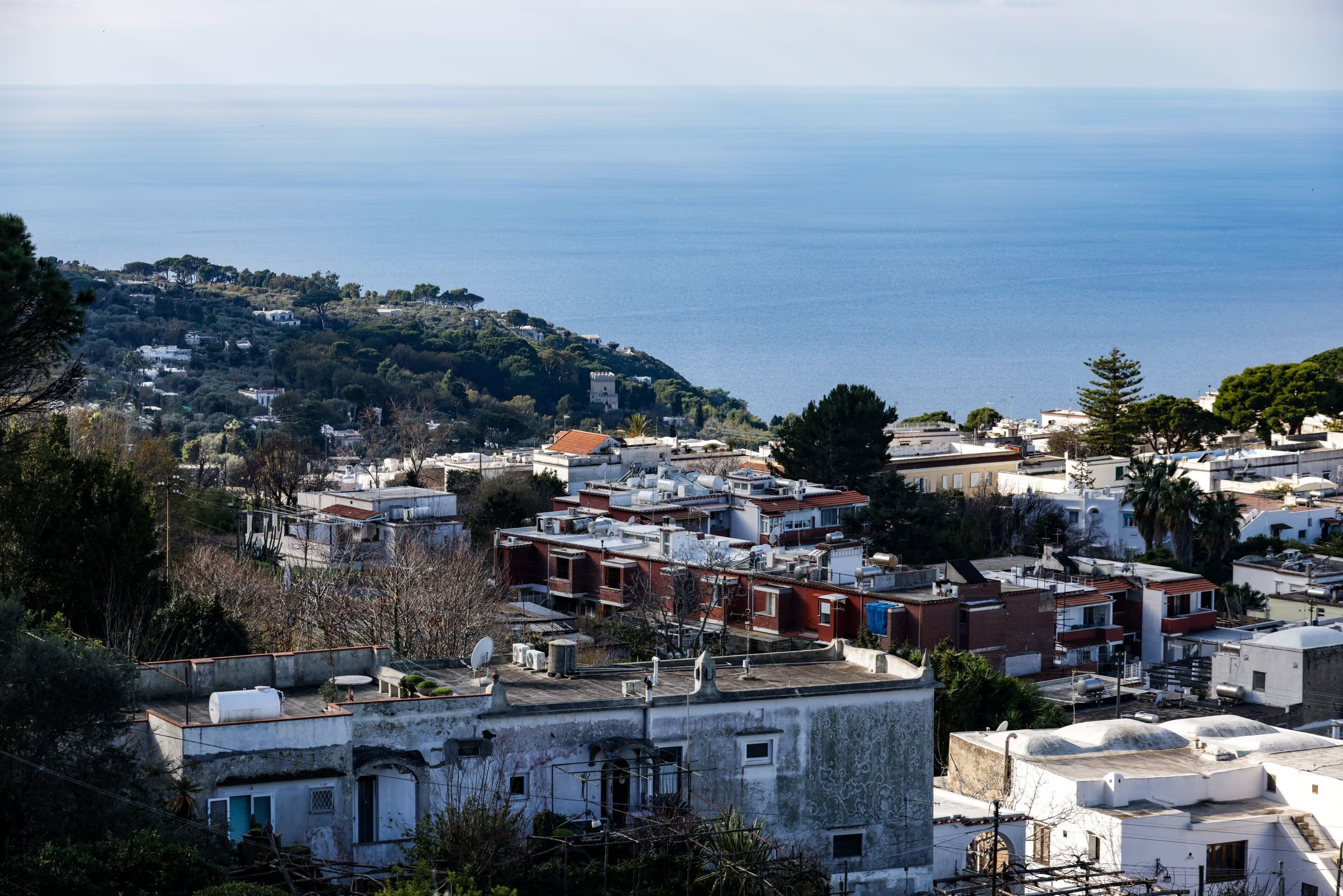
Massa Lubrense
1 hotel
Away from the crowds of nearby Sorrento, it spreads through olive groves and lemon terraces down to small coves and a marine reserve.
Learn more
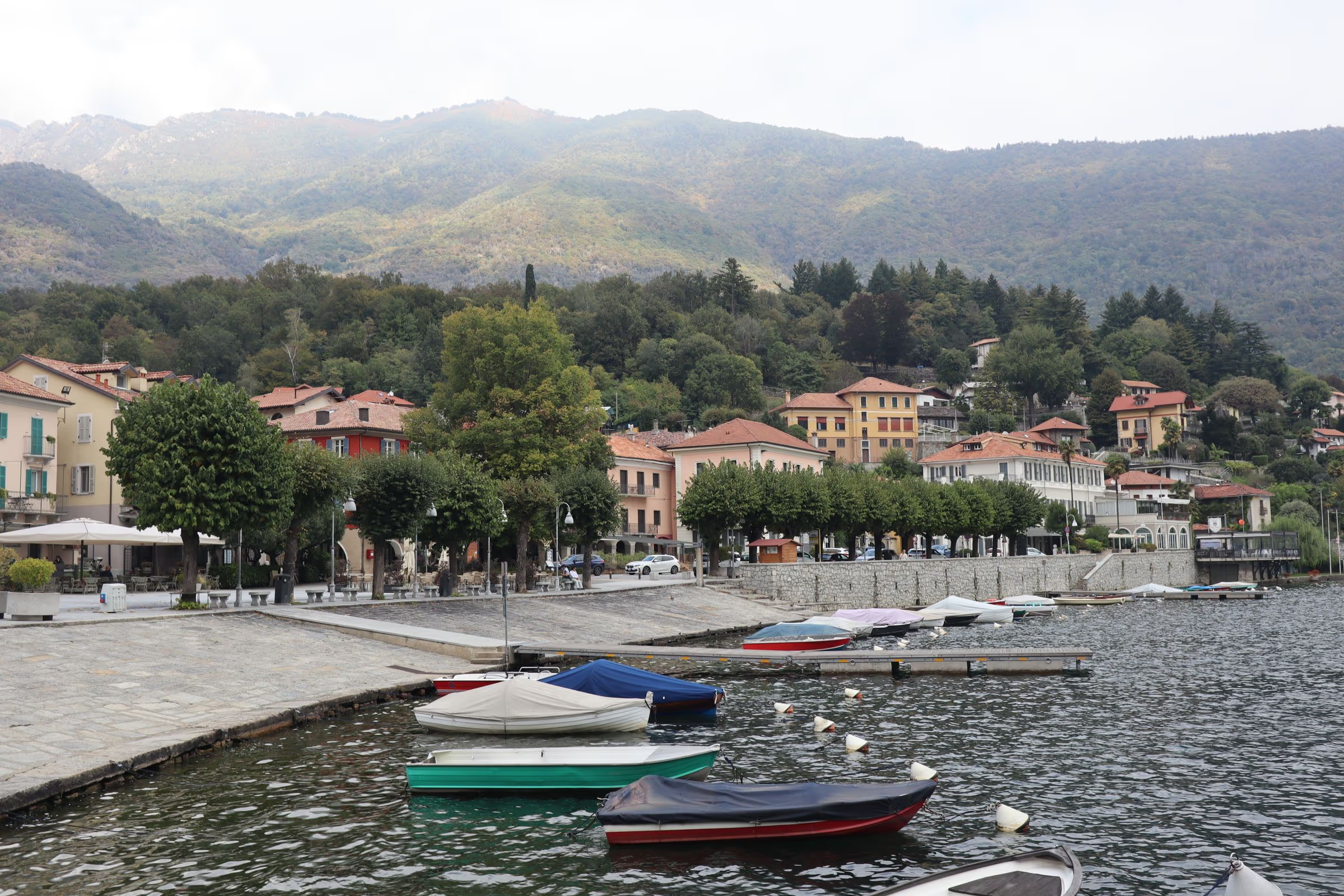
Menaggio
1 hotel
The lakeside town keeps a palm-lined promenade and pastel houses, with ferries crossing to Bellagio and Varenna and the mountains rising steeply behind.
Learn more
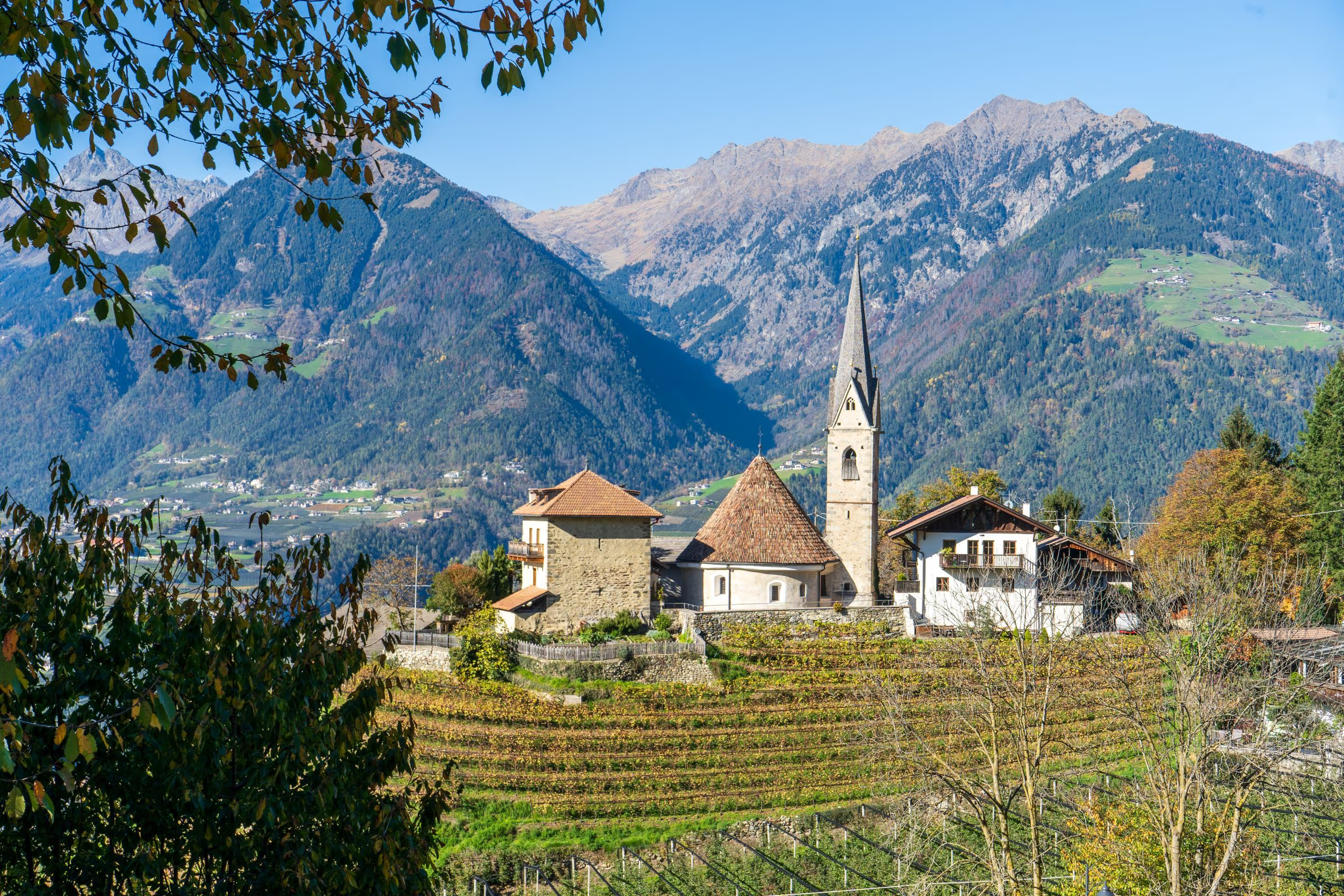
Merano
1 hotel
The South Tyrolean town sits in a sheltered basin where palms grow below snow-capped peaks, its riverside promenades lined with grand belle époque hotels.
Learn more
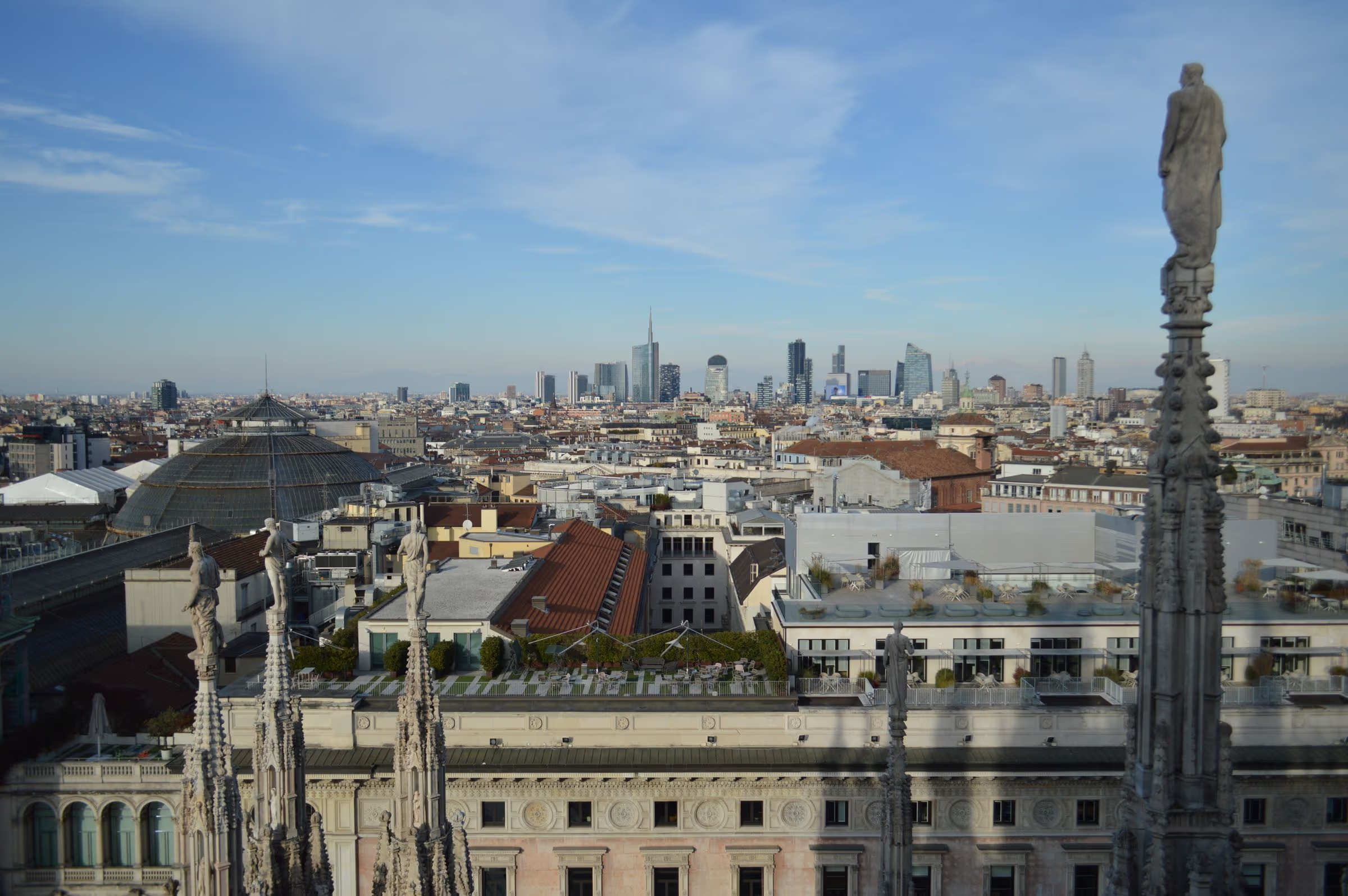
Milan
1 hotel
The fashion and design capital hides its charms behind a businesslike surface, from the spectacular Duomo to the courtyards of the Brera district.
Learn more
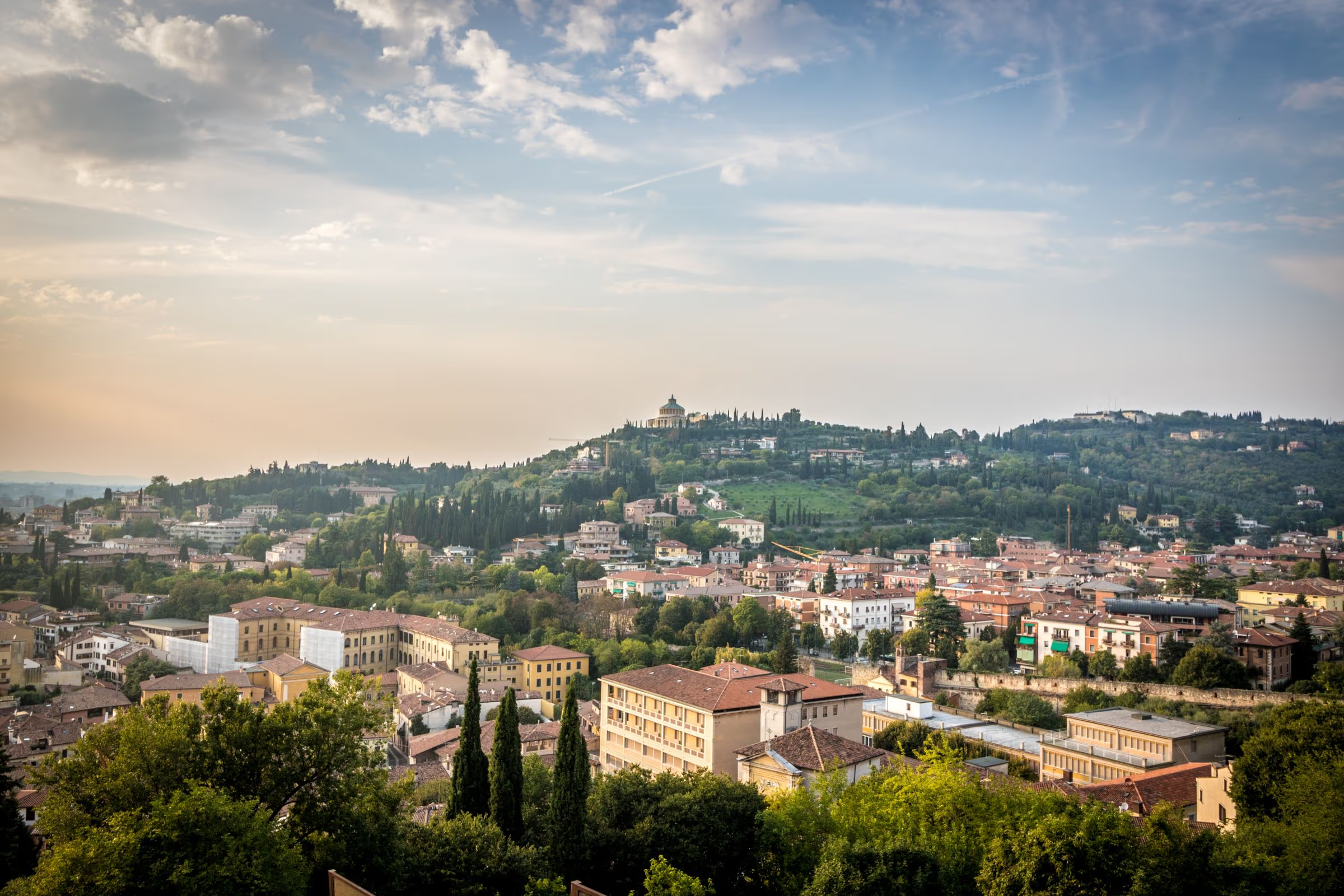
Montegrotto Terme
1 hotel
Hot mineral water surfaces here from deep underground, feeding pools and the therapeutic mud the area is famous for.
Learn more
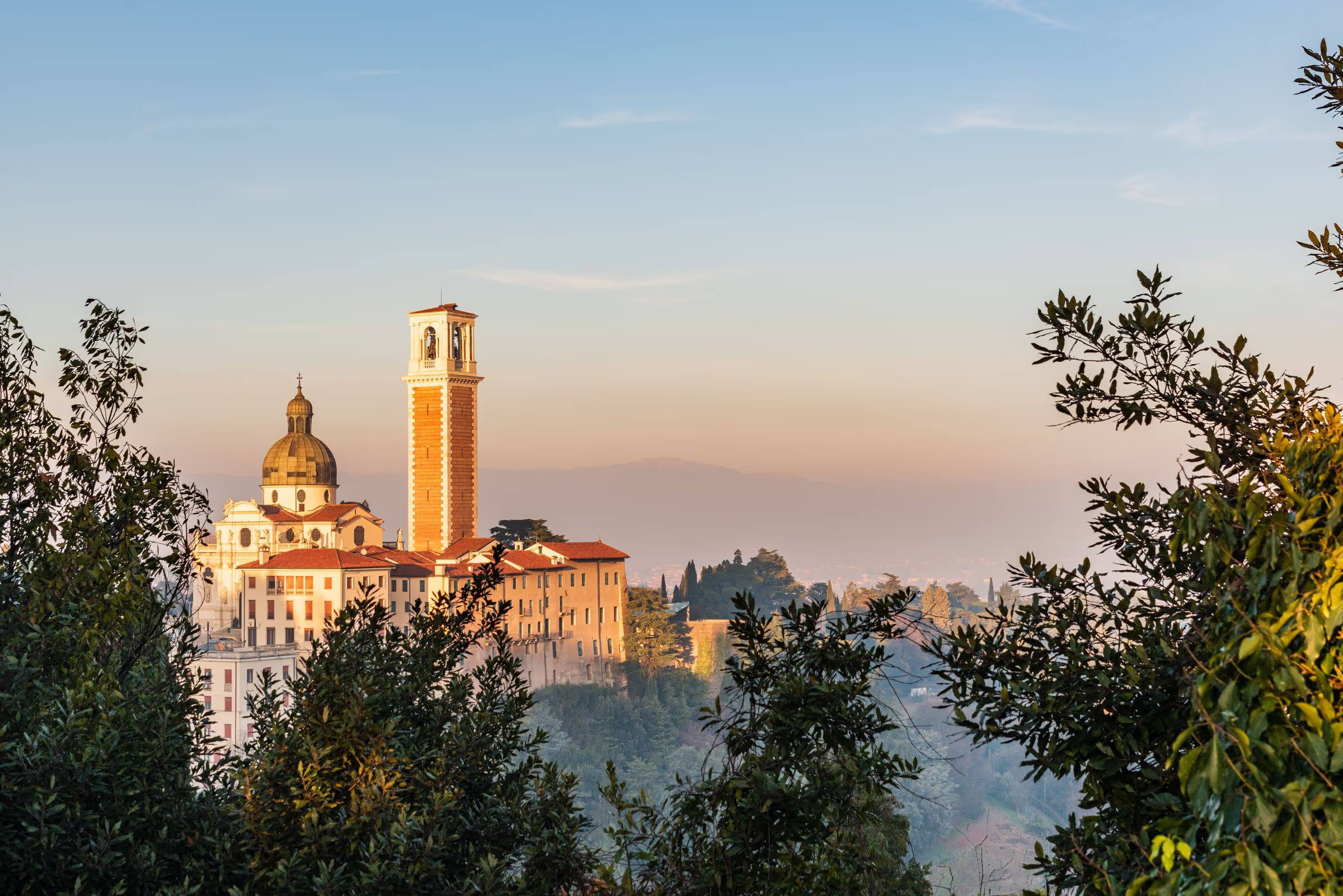
Montemagno
1 hotel
The village keeps a castle and a baroque church above its lanes, surrounded by the vineyards that produce Barbera and Grignolino.
Learn more
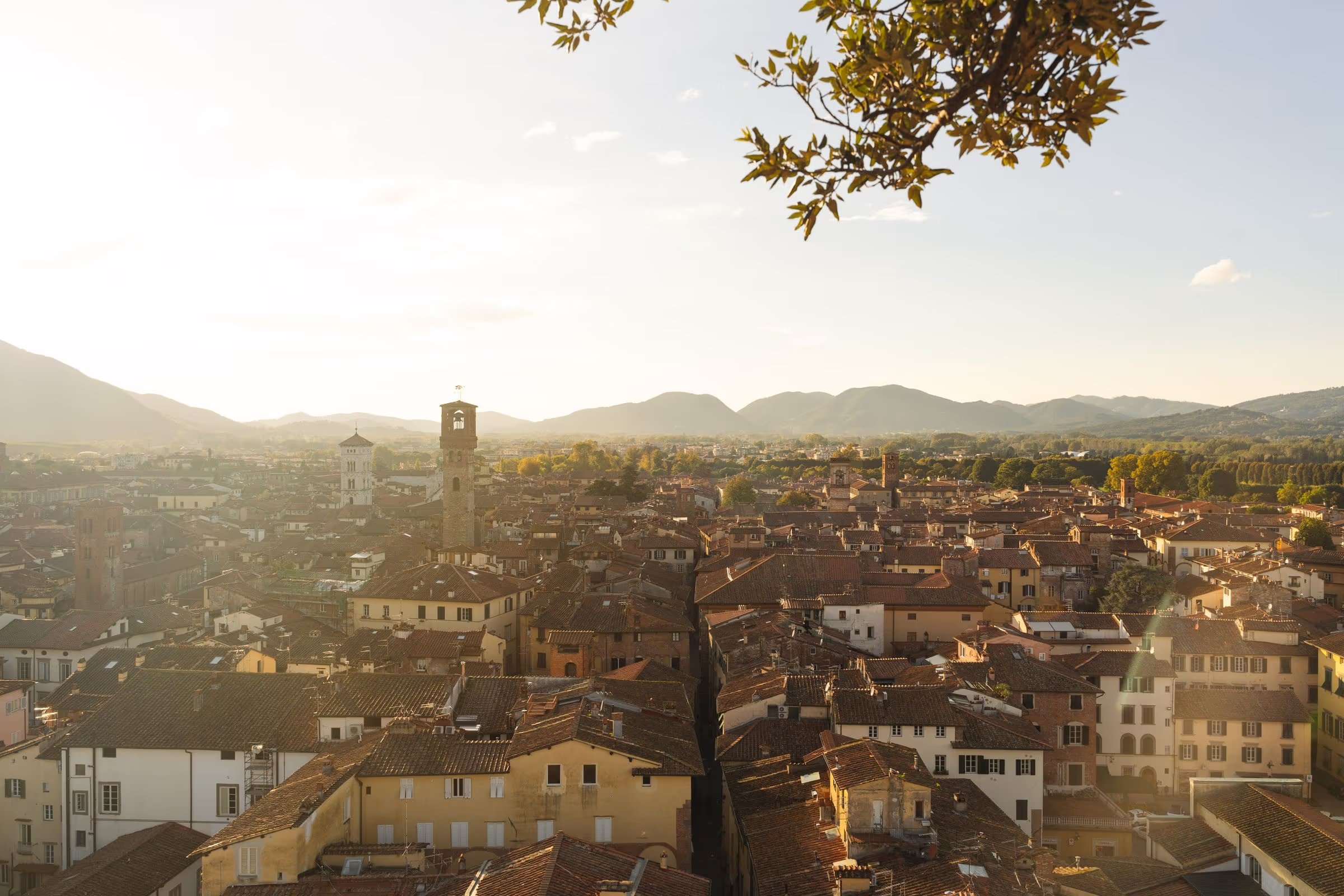
Montignoso, Tuscany
1 hotel
The town spreads from the Apuan Alps, where Carrara marble is quarried, down toward the beaches of Versilia.
Learn more
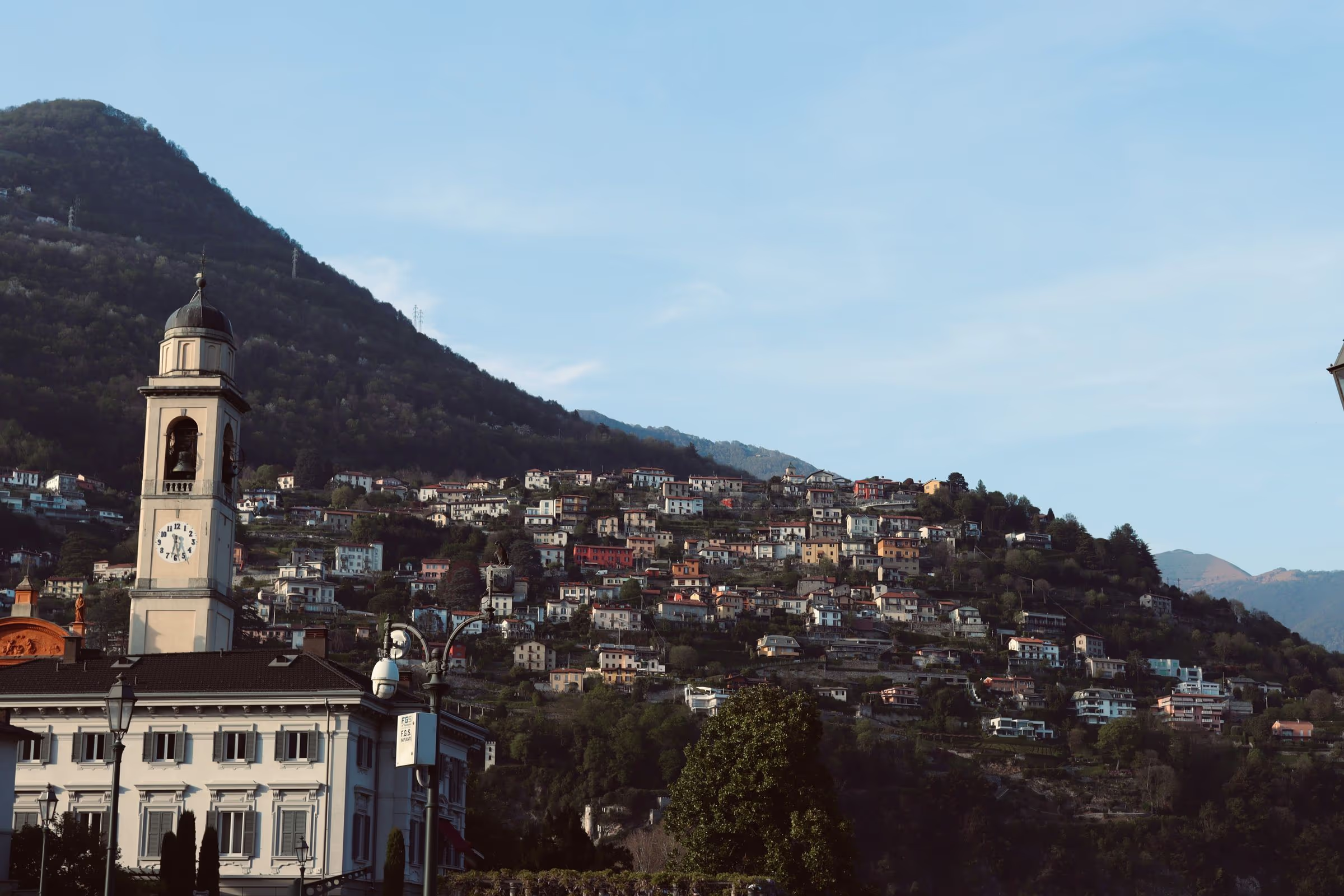
Oggiono
1 hotel
The town looks toward the larger lakes of Como and Lecco, with gentle hills, a Romanesque baptistery, and easy reach into the mountains.
Learn more
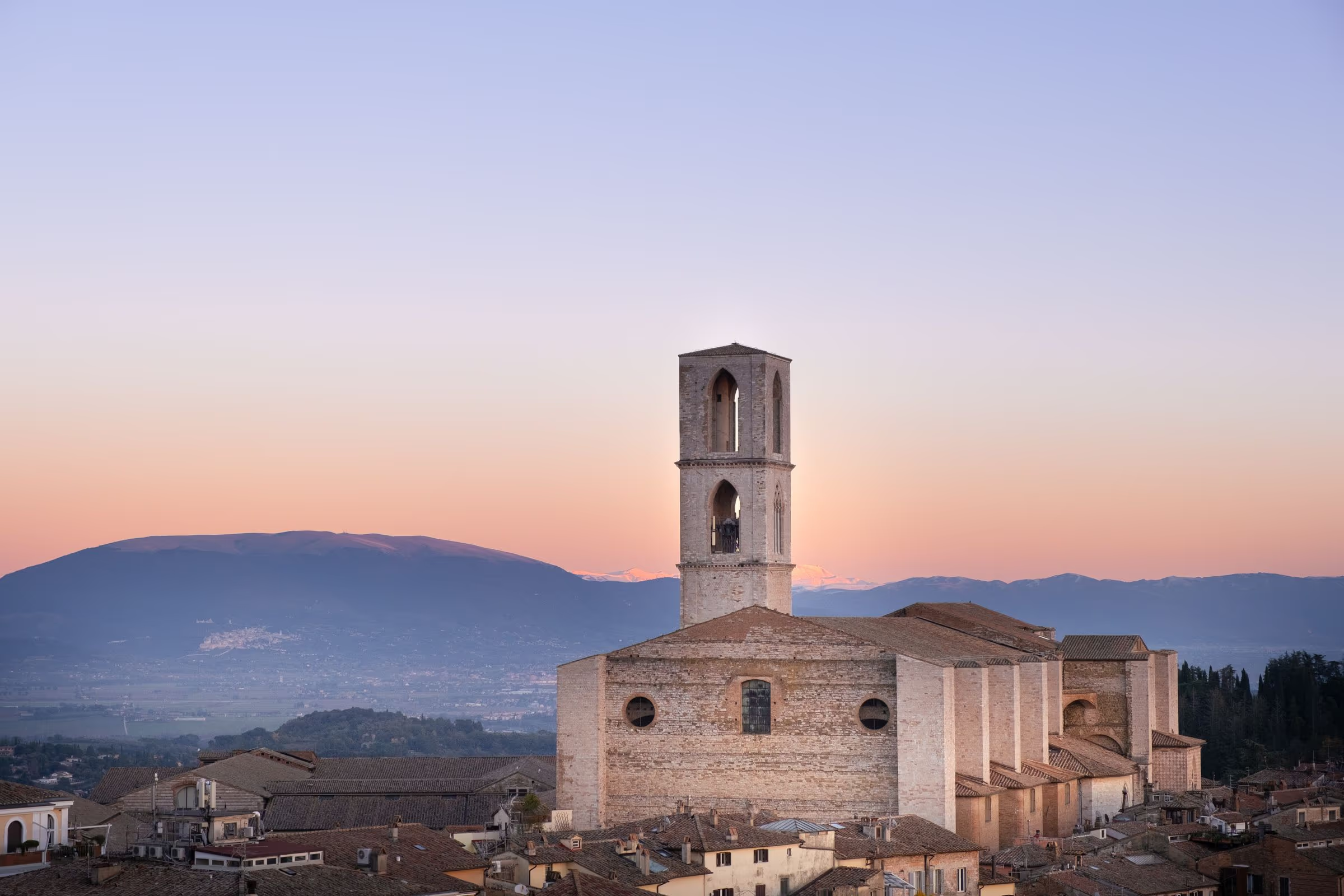
Perugia
1 hotel
The regional capital pairs steep lanes and a grand central fountain with a famous chocolate, a summer jazz festival, and views across the Tiber valley.
Learn more
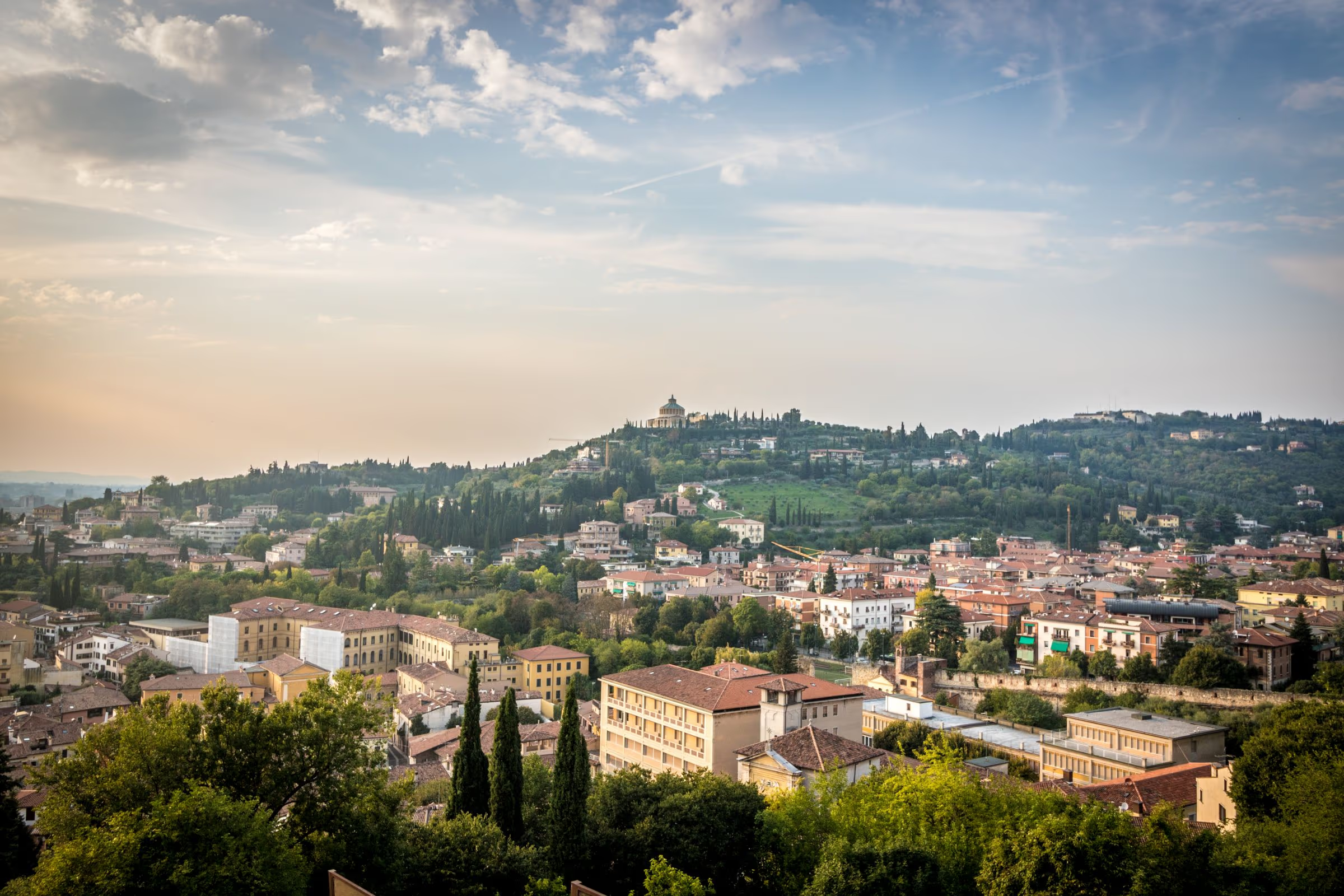
Pesaro
1 hotel
The Marche city sits where the hills meet the sea, with a Renaissance centre, a famous spherical sculpture on the seafront, and rolling wine country inland.
Learn more
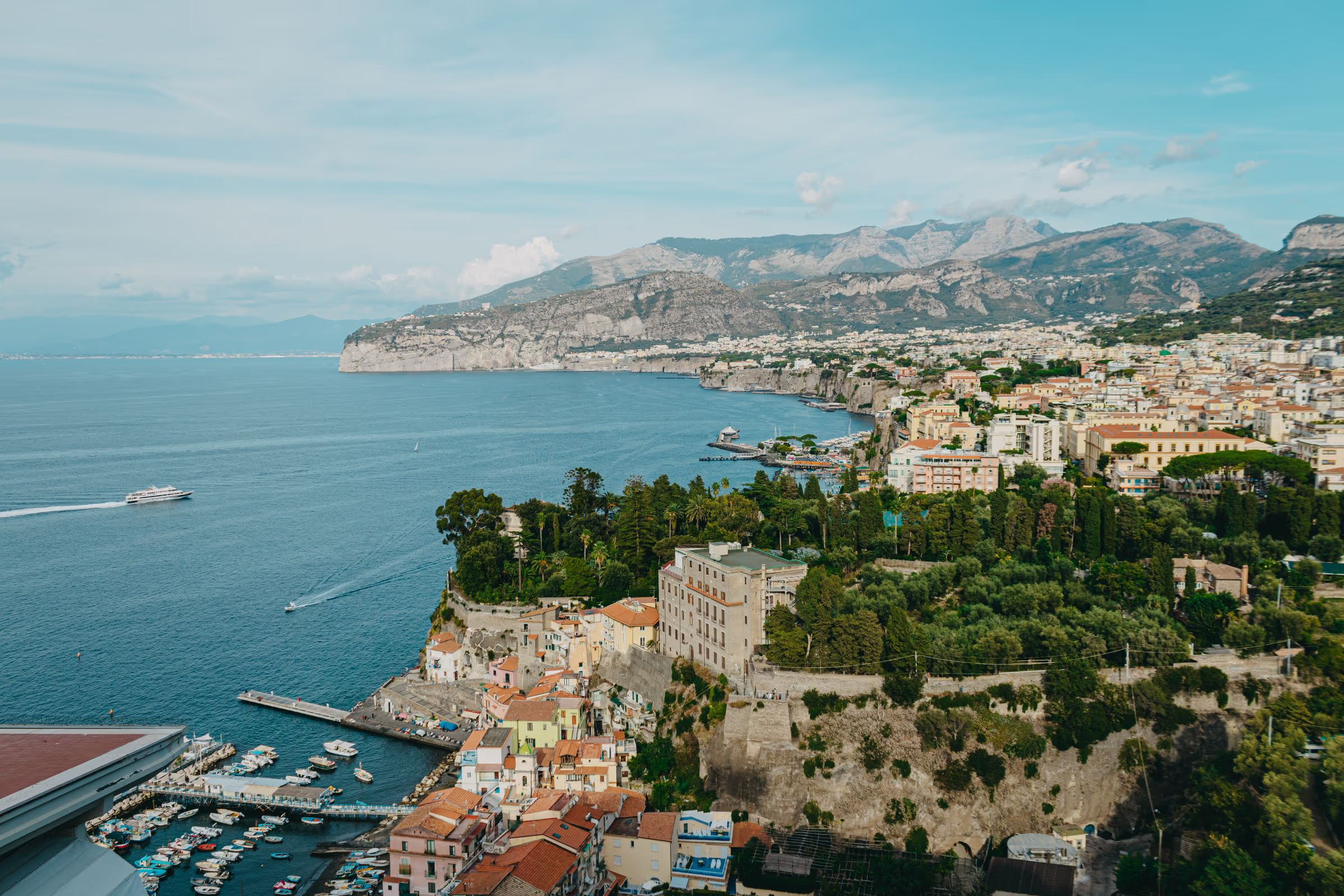
Piano di Sorrento
1 hotel
The town looks across the Bay of Naples to Vesuvius, its lemon groves and small marinas spread below a tufa plateau.
Learn more
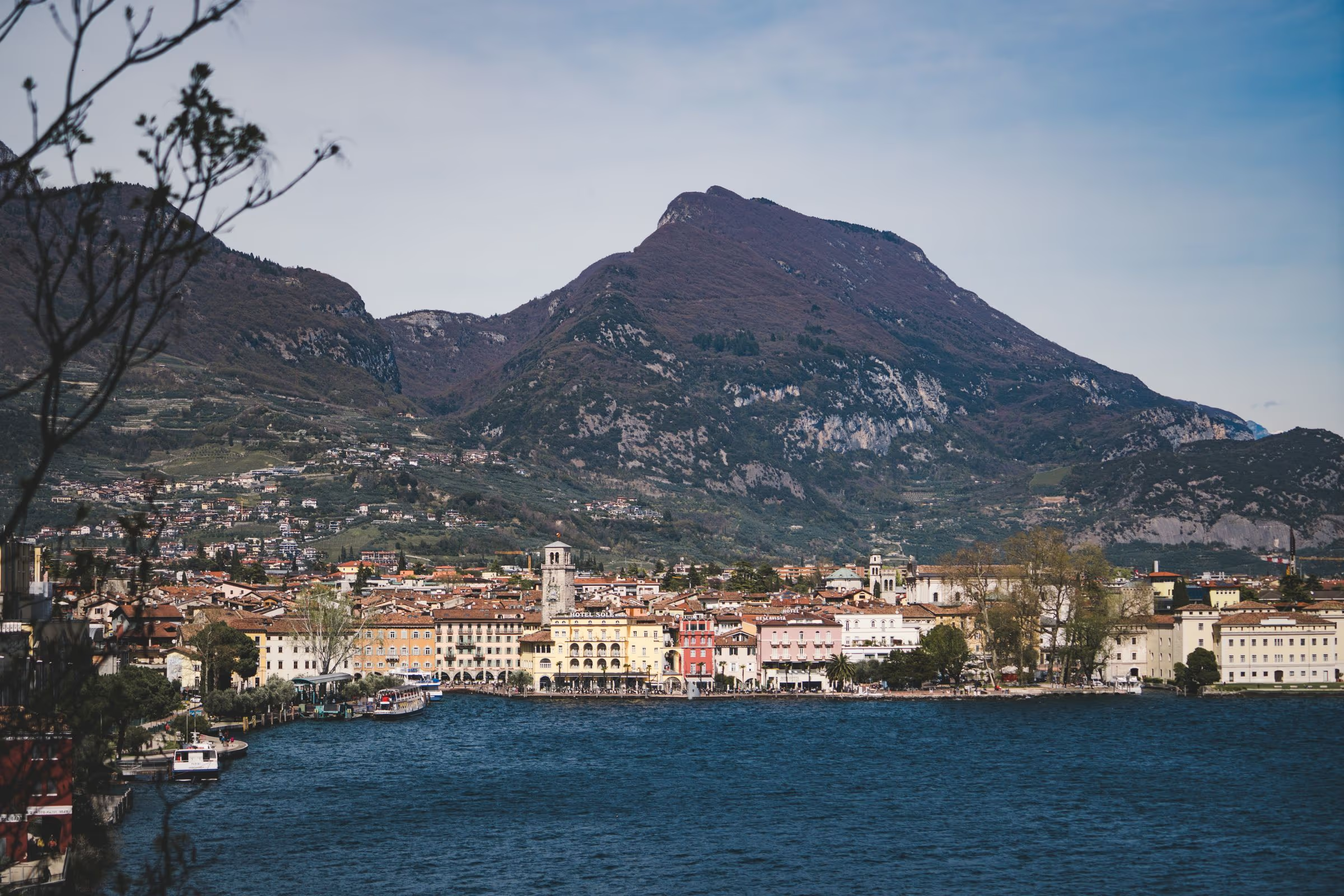
Riva Valdobbia
1 hotel
The village keeps timber Walser houses and a frescoed church below the second-highest peak in the Alps.
Learn more
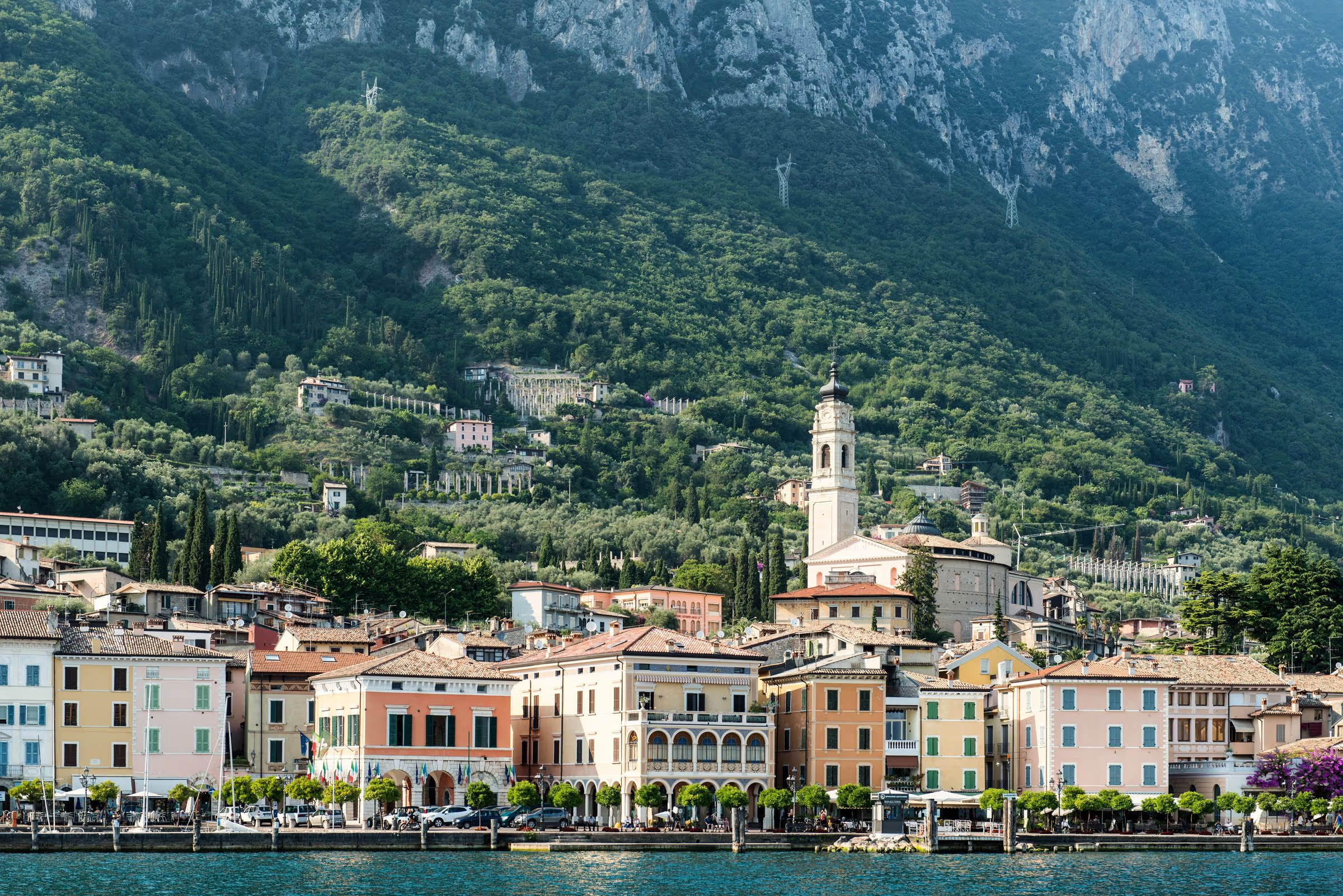
San Felice del Benaco
1 hotel
The town looks out over the Gulf of Salò toward the island of Garda, surrounded by olive groves and the vineyards of Valtènesi.
Learn more
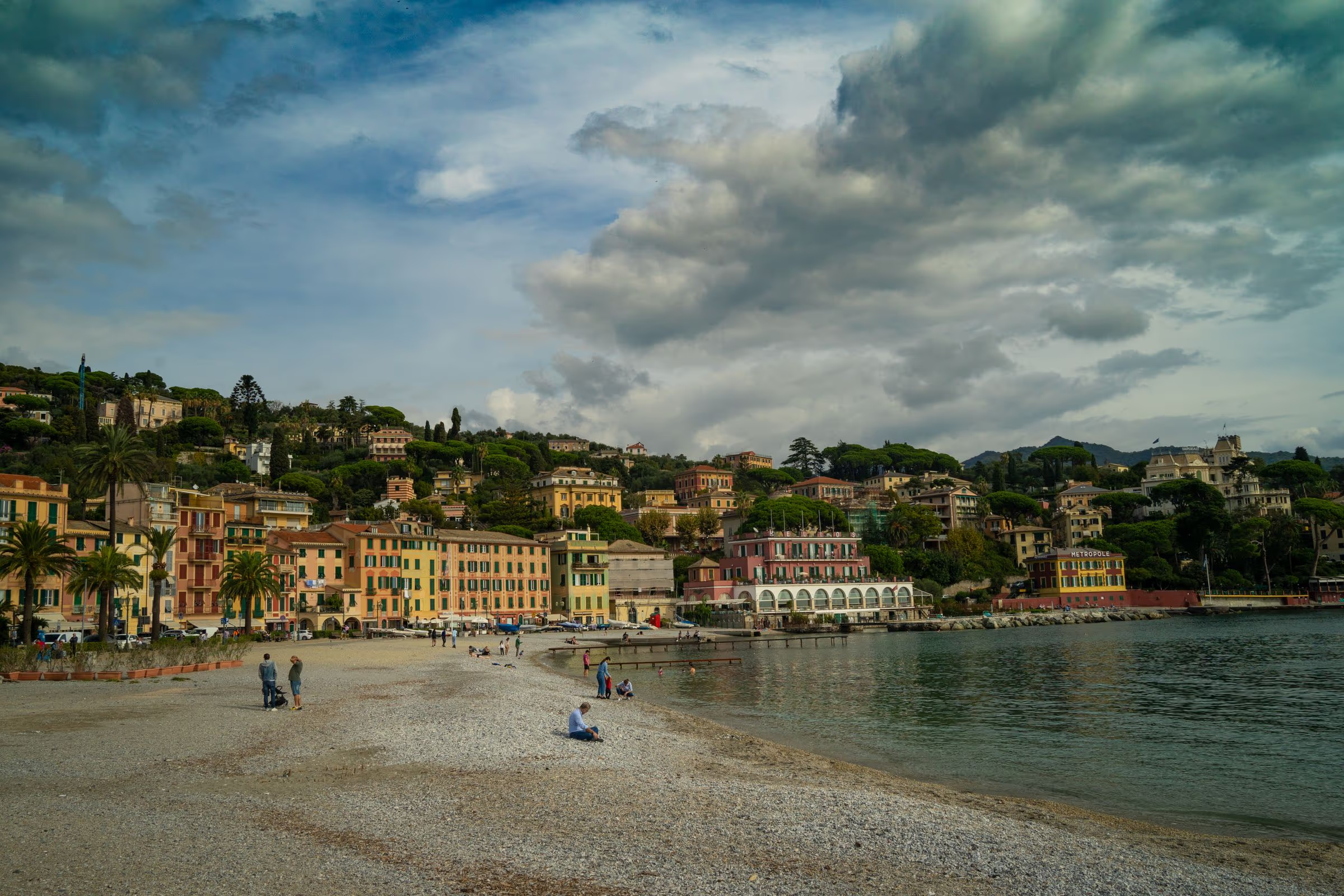
Santa Margherita Ligure
1 hotel
The harbour town keeps a belle époque elegance, with a pretty seafront, a marina of sleek boats, and the cliffs of the Portofino peninsula next door.
Learn more
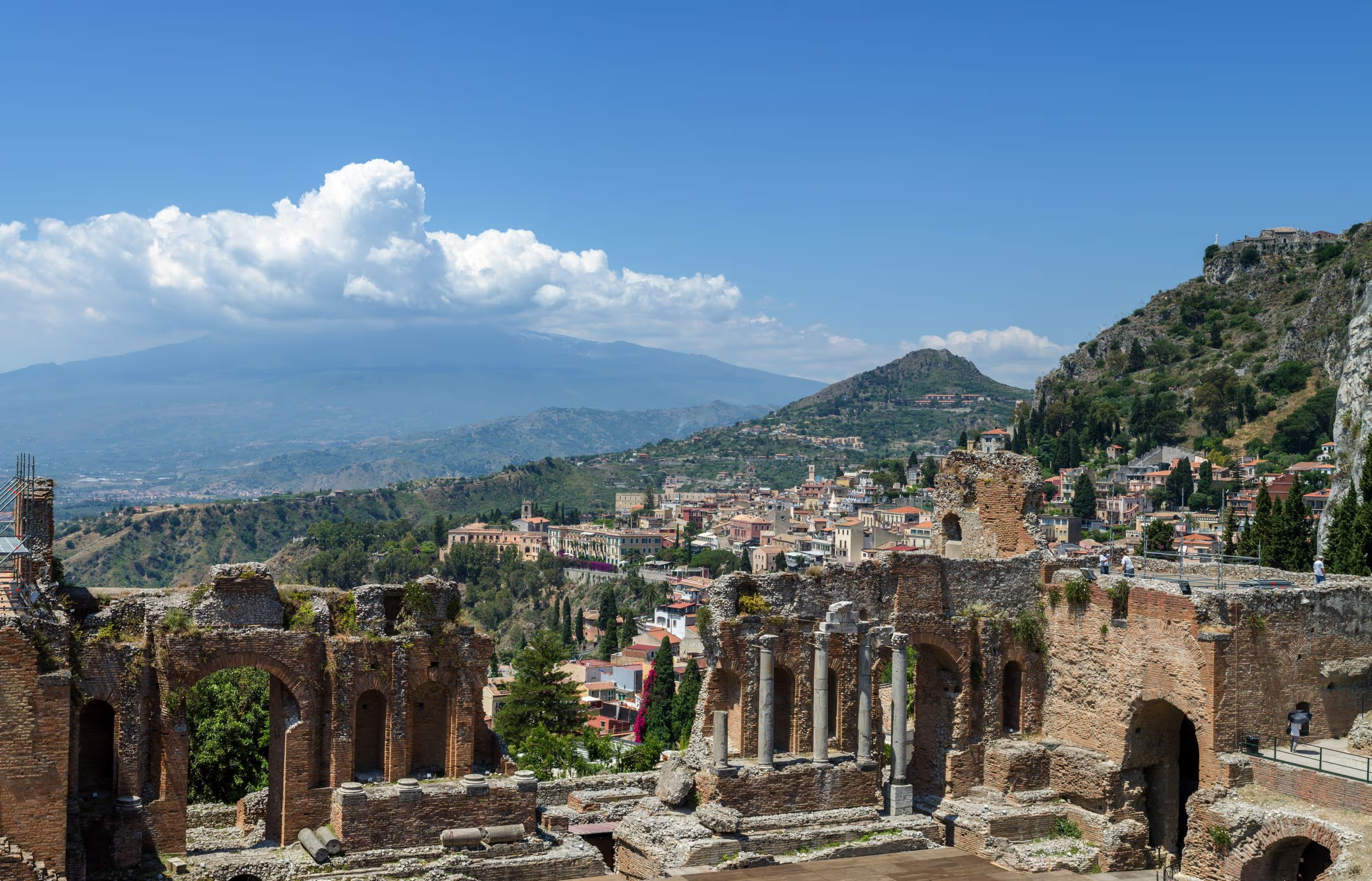
Taormina
1 hotel
The Sicilian hill town wraps a Greek theatre, a medieval centre, and tiered gardens into one improbably scenic package.
Learn more
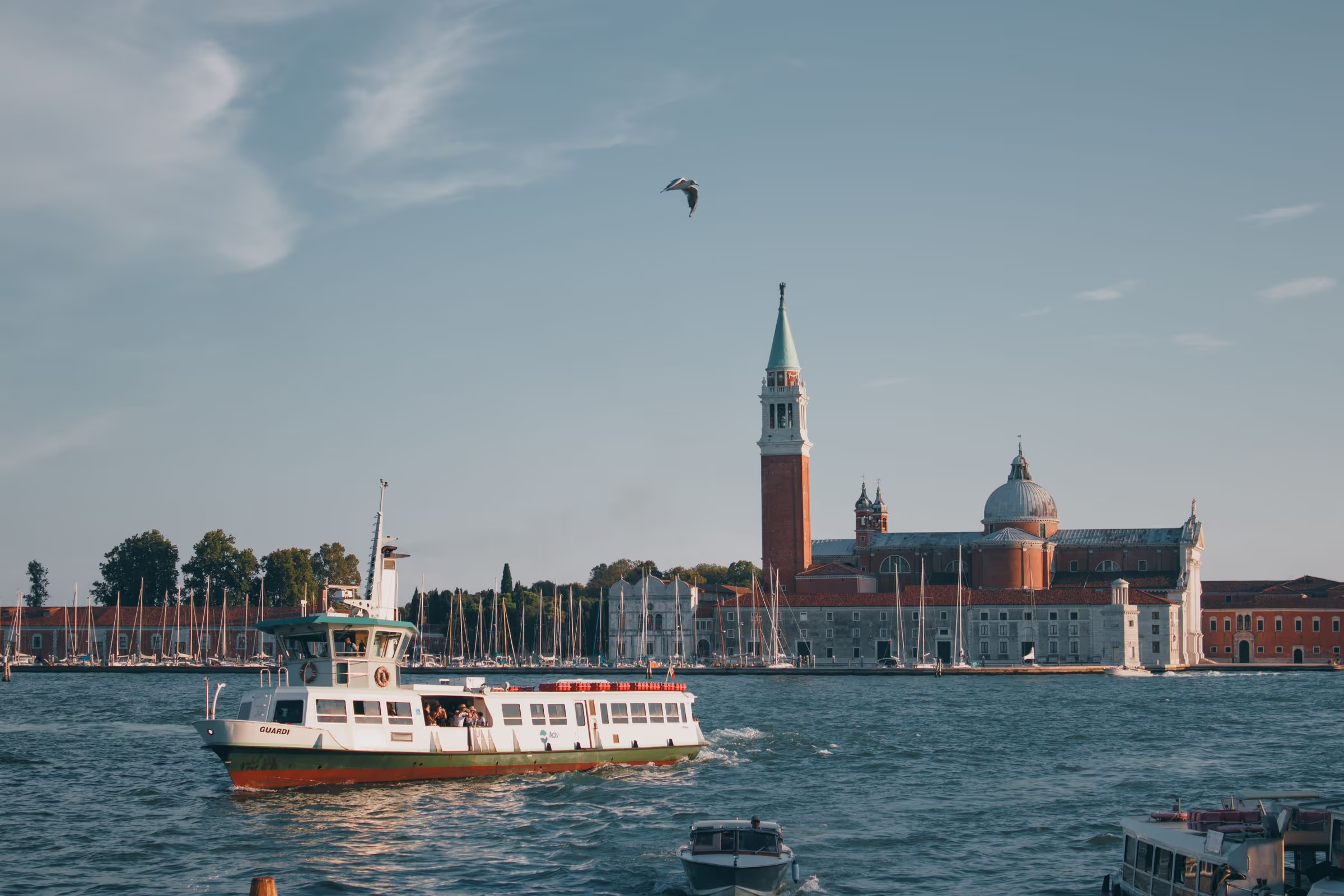
Venezia Mestre
1 hotel
Less romantic than the islands but far easier on the wallet, it puts St.
Learn more
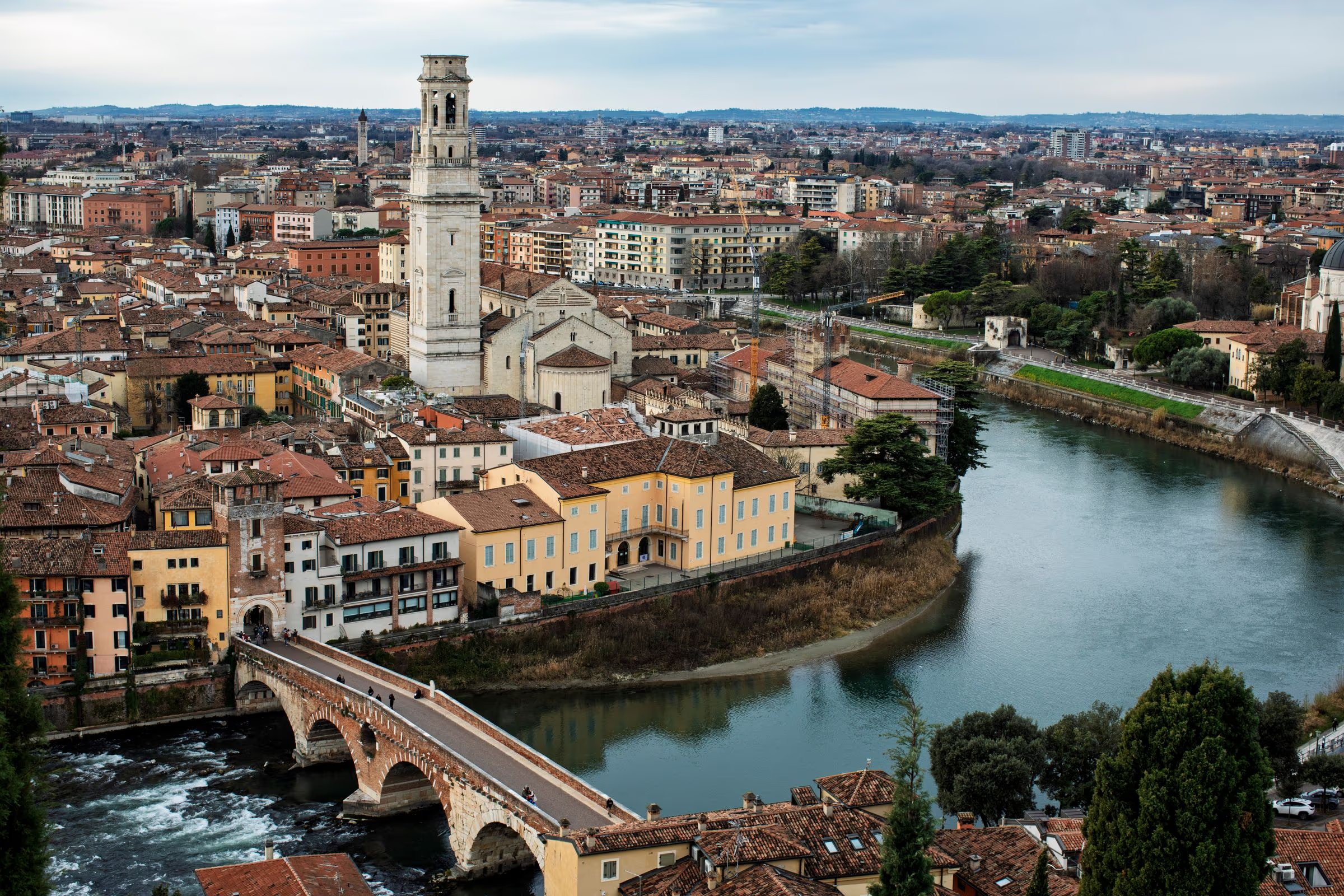
Verona
1 hotel
The Veneto city wraps a remarkably intact Roman arena, still staging summer opera, in a pink-marble centre on a bend of the Adige.
Learn more
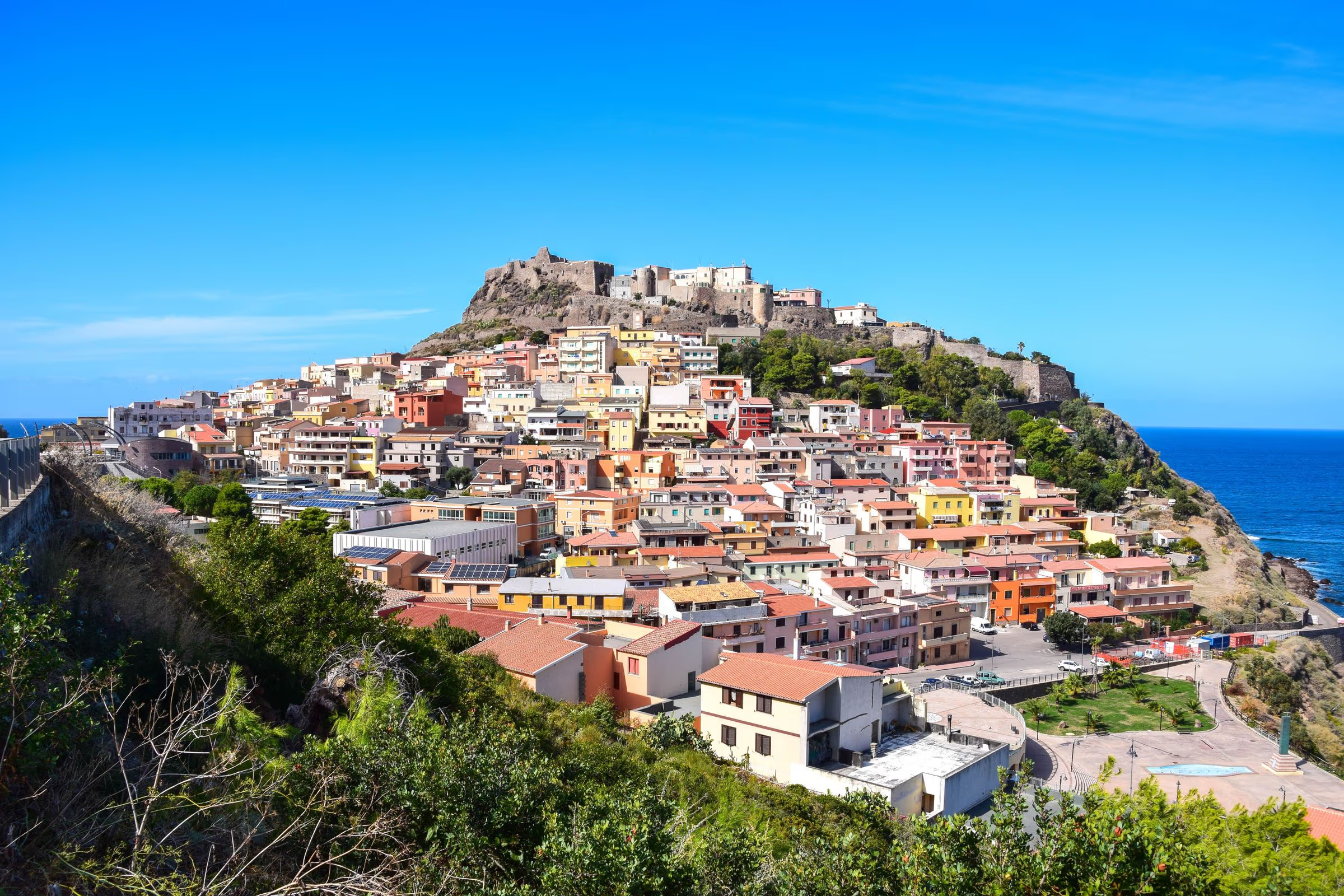
Villasimius
1 hotel
The town fronts a marine reserve of turquoise bays and granite headlands, with a Spanish watchtower guarding the coast.
Learn more
The country splits into spa regions, each with its own character. Up north, the Dolomites and South Tyrol pair thermal water with mountain air, and towns like Merano carry a wellness culture inherited from the Habsburg era. The Veneto plain holds the ancient thermal belt around Montegrotto Terme, where people have bathed since antiquity. Closer to Rome, the spring town of Fiuggi has drawn cure-seekers for centuries, while further south the volcanic island of Ischia sits on one of the densest concentrations of mineral spas in Europe. The coast plays a different game, where the spa is the finishing touch on a great destination rather than the reason to come, as it is along the Amalfi cliffs or above the Sicilian sea at Taormina.
A few things are worth knowing before you go. Italy rewards the shoulder seasons, late spring and early autumn, when the weather is kind and the spa towns are at their calmest, while August sees Italians take their own holidays and the coast fills up. The country is long, so travel time between the alpine north and the southern coast is real, and the train network is the easy way to cover it. Culturally the rhythm matters as much as the sights. The habit of taking the waters runs deep, and the country holds several of the historic Great Spa Towns of Europe, the UNESCO-listed cradle of the European spa tradition. Days follow a local pattern, where a slow morning soak gives way to the early-evening passeggiata, the communal walk that turns every piazza into a social stage, and then an aperitivo before a long dinner that rarely starts early. Eat regionally and you eat well, because Italian food is local before it is national. For seasons, festivals and current travel details, the official portal at Italia.it is the place to check.